CowzVR Campaign
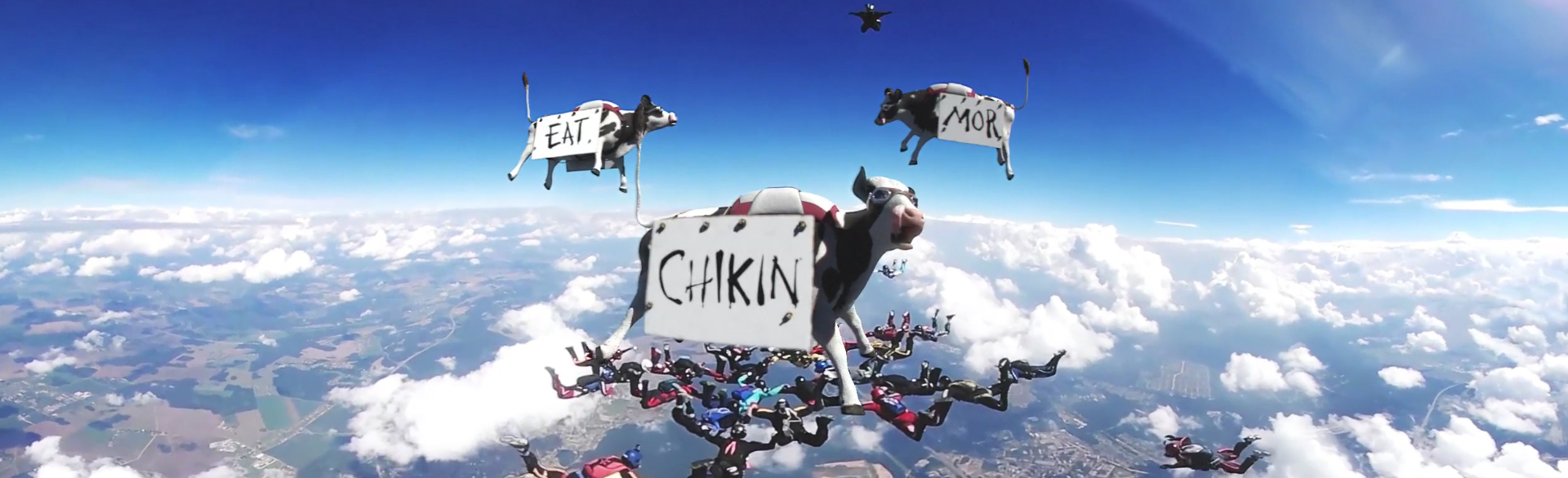
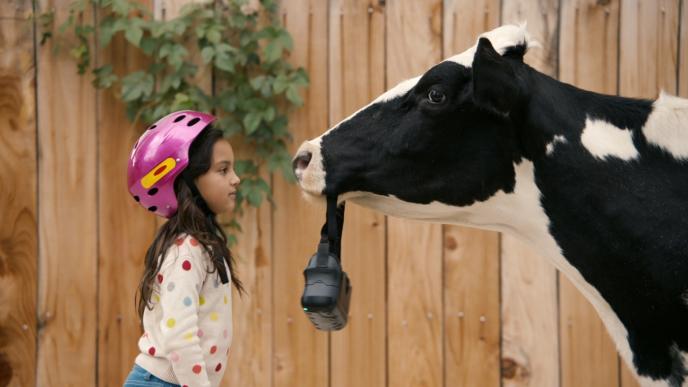
VR was everywhere in 2016 and most brands were treating it as a production challenge rather than a creative opportunity. The Chick-fil-A cows had discovered virtual reality and were using it to distract people from eating chicken. The question was whether the campaign could move fast enough to own that absurdity before it became the expected move.
Campaign film
Extended cut from the CowzVR campaign.
The situation
Every agency was rushing to claim VR as the future. The executions were technically impressive and creatively inert — brands using the format to demonstrate capability rather than to say anything interesting. The Chick-fil-A cows are one of the most recognizable brand characters in American advertising. The creative opportunity was to put them inside a VR experience in a way that was funny rather than earnest — and to do it before the window closed.
The campaign came out of a significant competitive win — McCann pitched and won the Chick-fil-A account, ending the brand's 22-year relationship with The Richards Group. I was on the pitch team. The brief we won with set the creative direction that became CowzVR.
The thinking
The campaign debuted during the Grammys where broadcast generated intrigue, then extended into an integrated ecosystem where Snapchat carried the immersive experience via the first-ever 360° Snapchat ad, and social amplified the joke. The self-awareness was the strategy. Knowing when the right move is to lean into absurdity rather than sincerity is a specific kind of brand judgment that most campaigns never get to exercise.
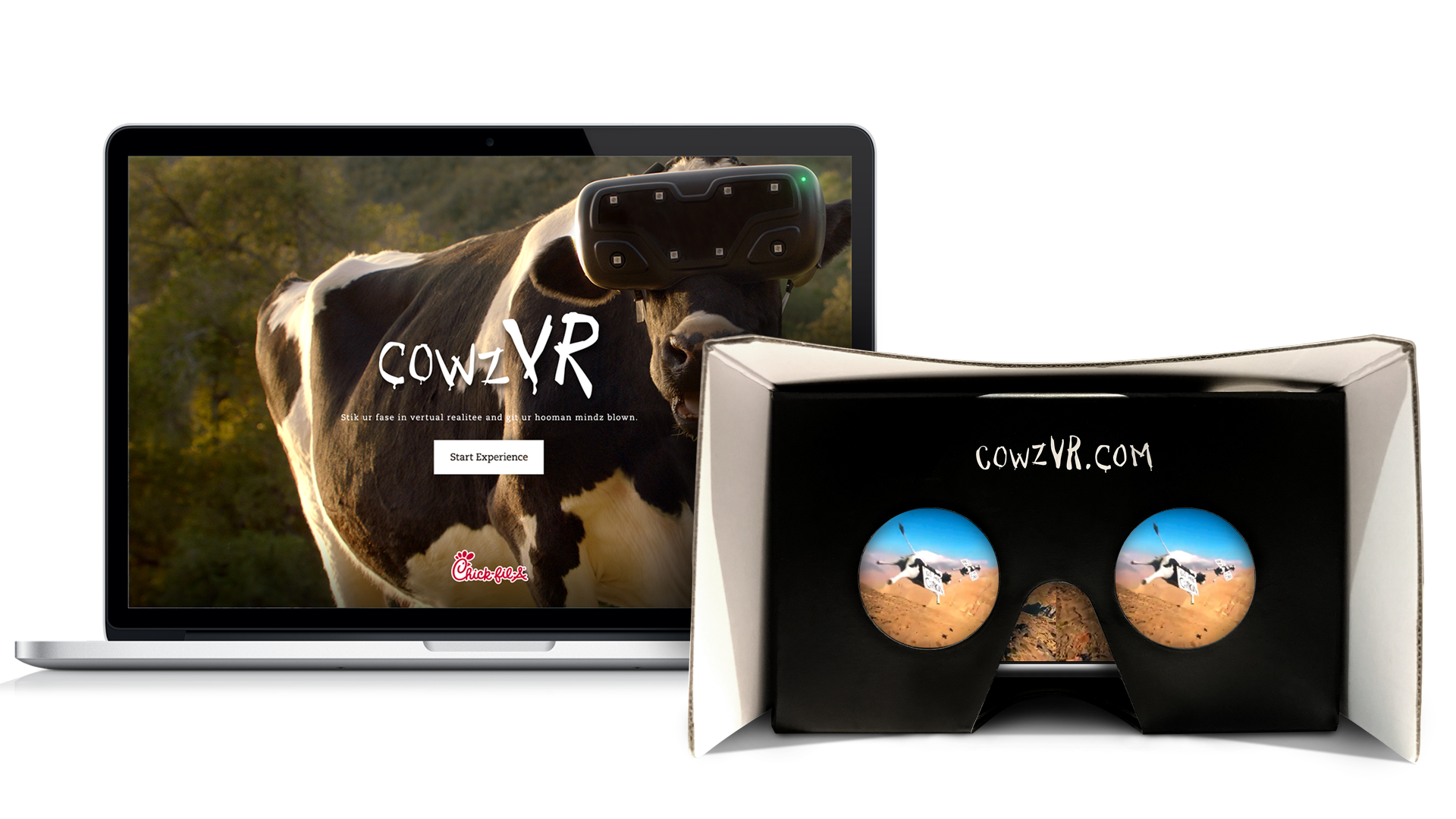
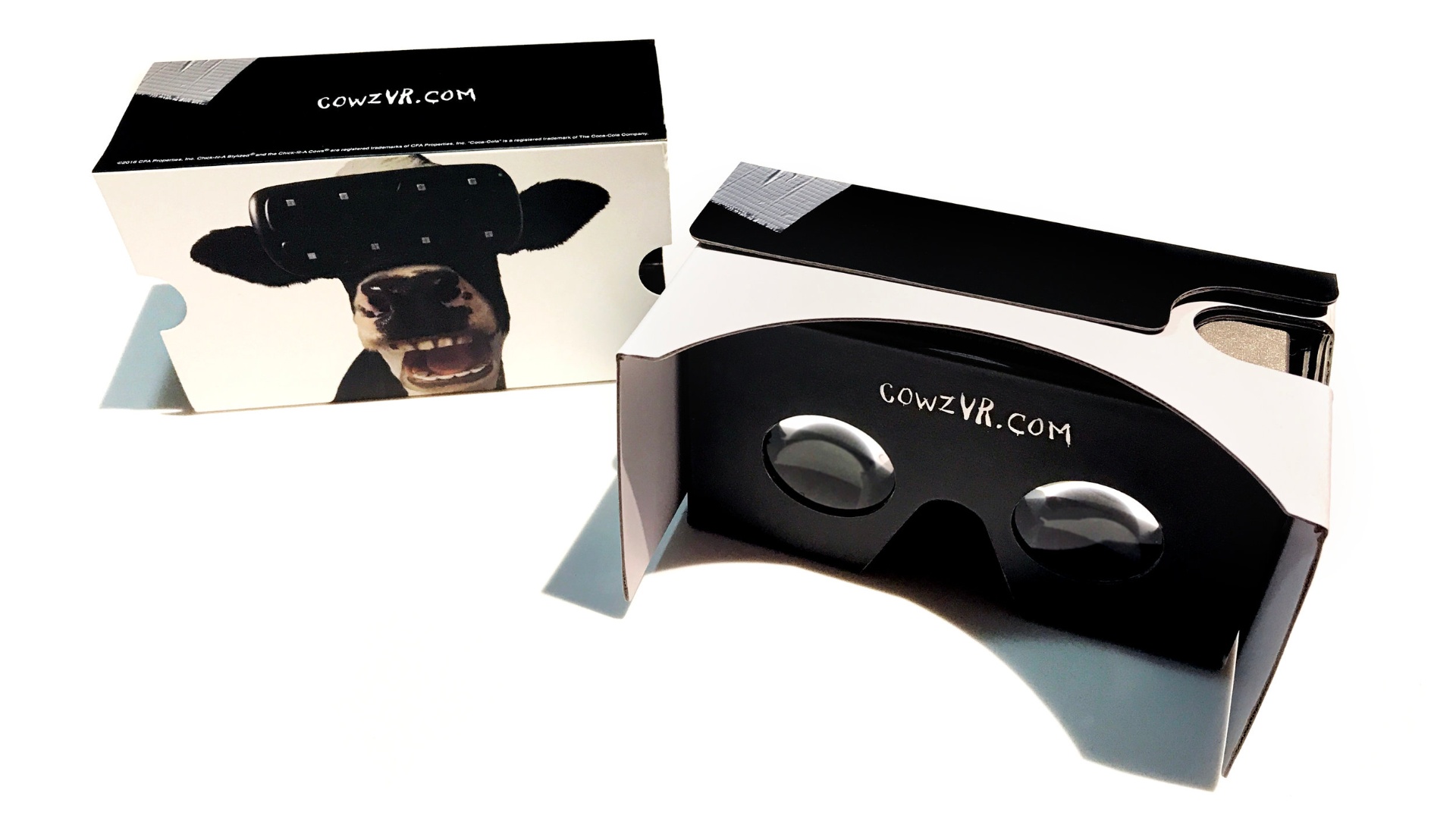
The Google Cardboard headset distribution extended the VR experience into consumers' hands. The campaign didn't just talk about virtual reality — it put it in people's living rooms via a fast food brand's cows. That escalation of the absurdity was deliberate and measured.
Results
50M+ impressions. 60% driven through social. Facebook engagement up 300%. First-ever 360° Snapchat ad. Google Cardboard VR headsets are distributed across 2,000+ locations.
CowzVR Campaign