What it was
Relaunching an American fashion house as ecommerce-only, and replacing the fashion calendar with monthly themed drops.
My role
Launch strategy — the thinking, not the execution
Relaunching an American fashion house as ecommerce-only, and replacing the fashion calendar with monthly themed drops.
Launch strategy — the thinking, not the execution
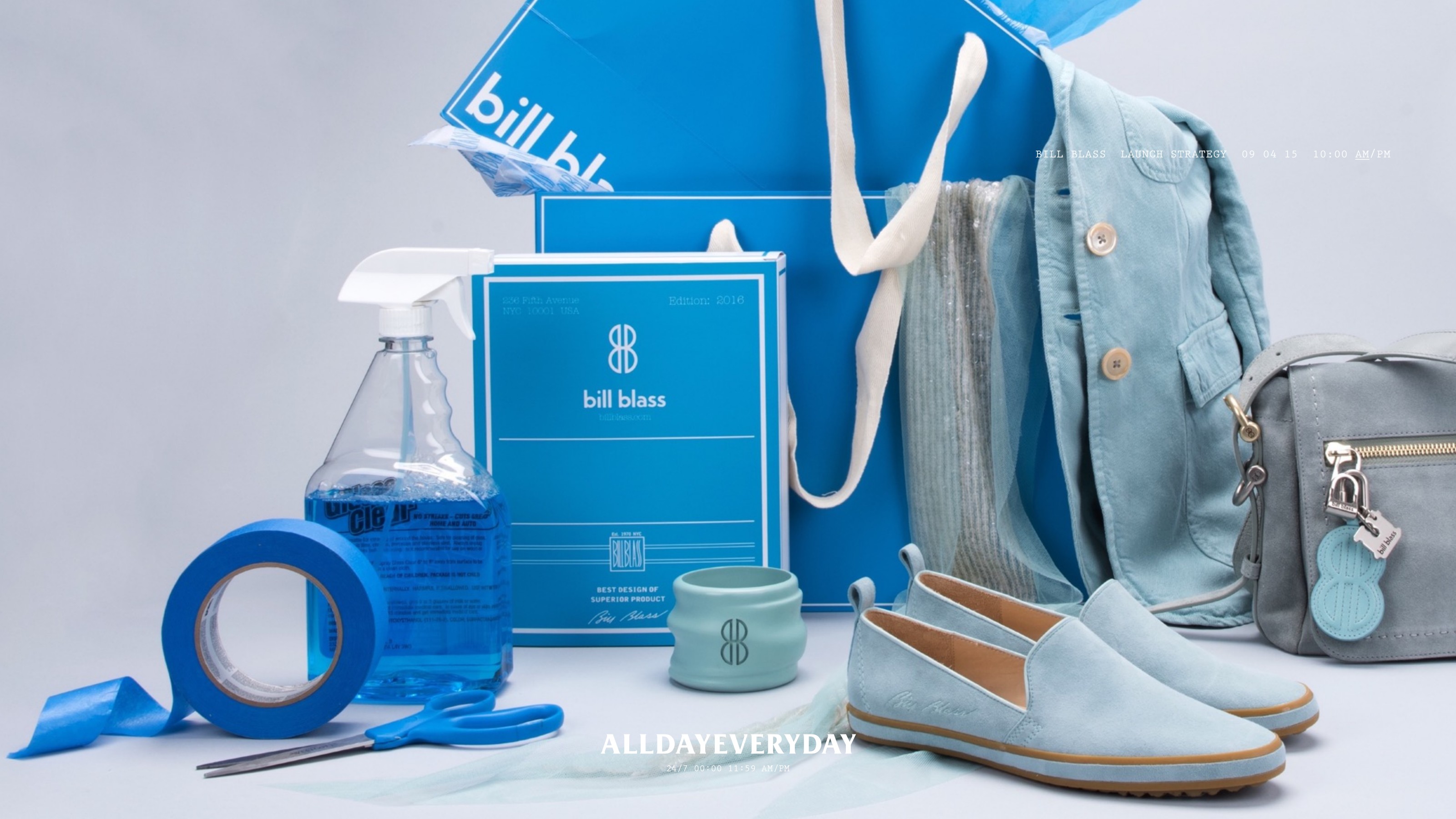
Bill Blass had been licensed into meaninglessness. The relaunch rejected the fashion calendar outright — a curated collection every month, each with its own theme — and built the acquisition funnel around a list, not awareness.
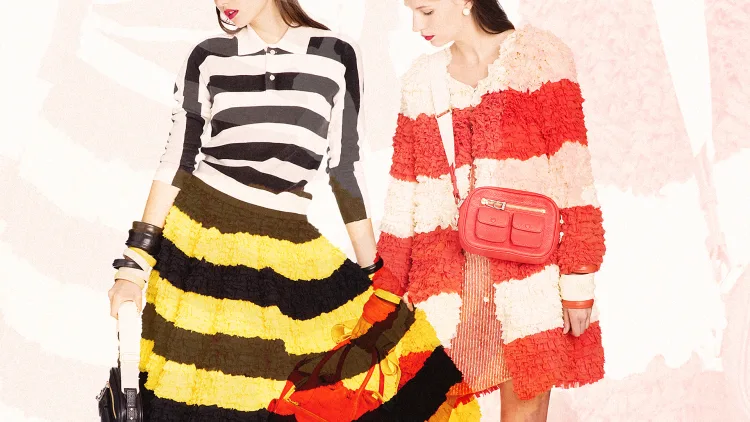
Rebrand poster
Rebrand poster from the digital-first relaunch campaign.
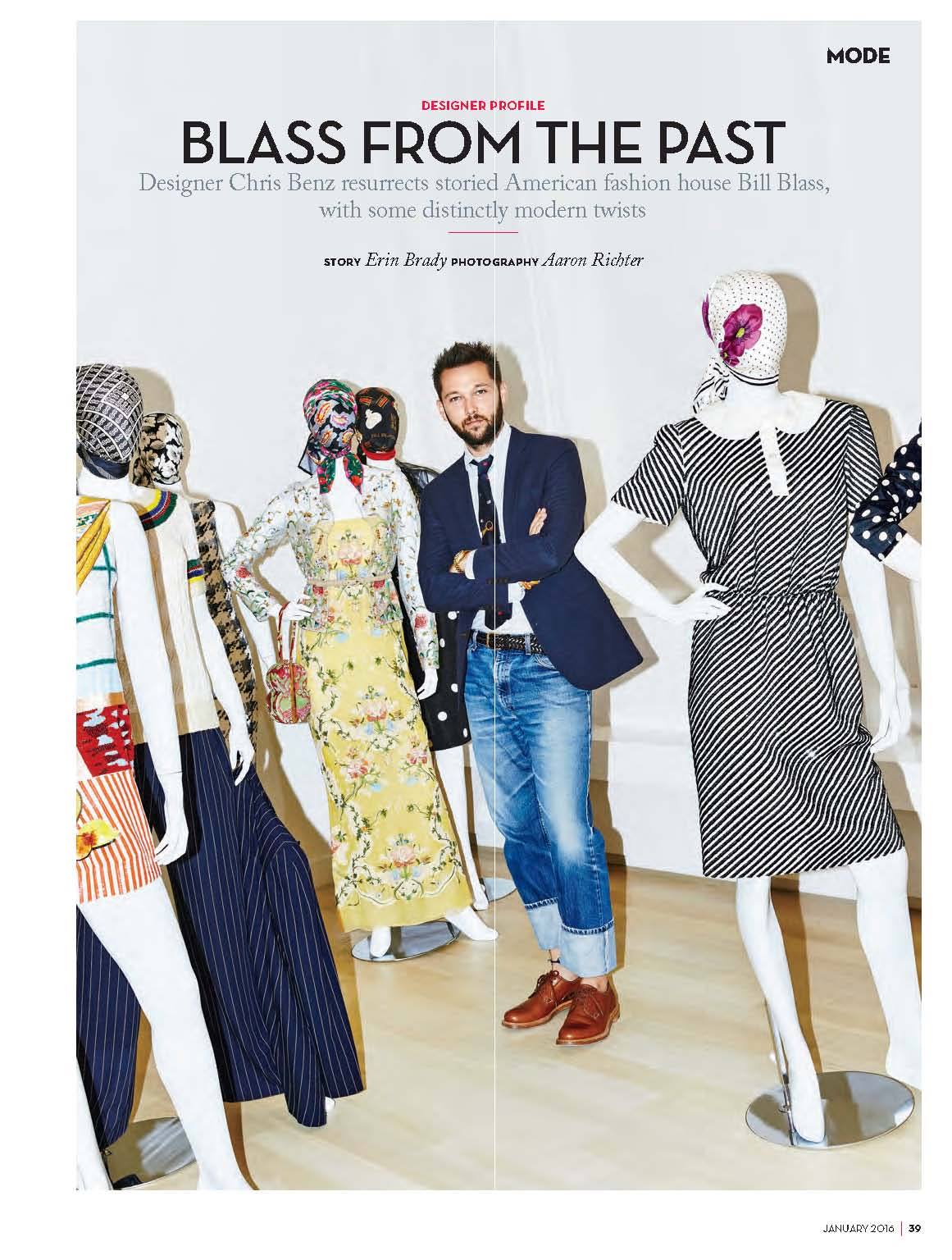
Bill Blass had been licensed into meaninglessness. The name still carried American fashion history; the business behind it had been diluted by decades of licensing deals until there was little left to buy. Chris Benz had been appointed creative director to relaunch it as an ecommerce-only brand.
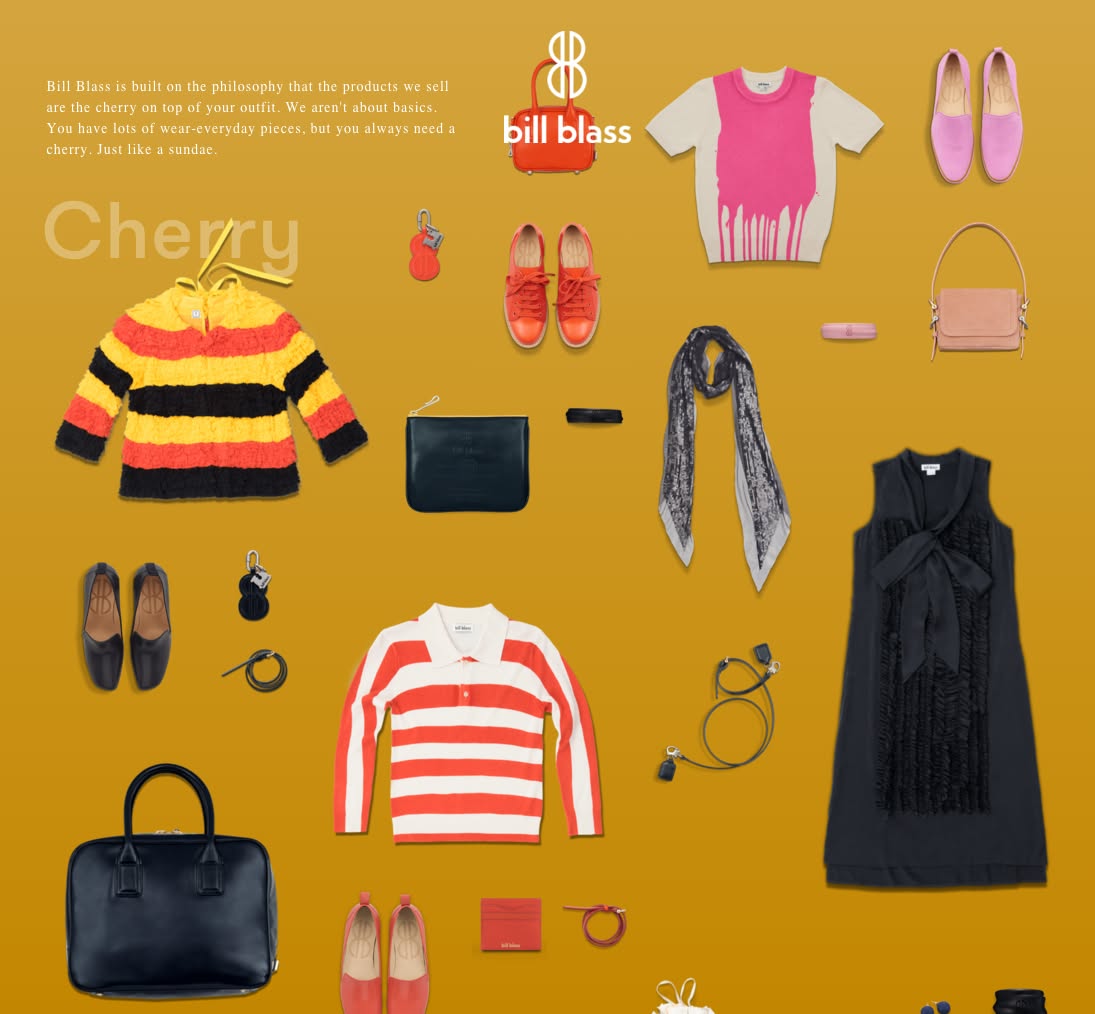
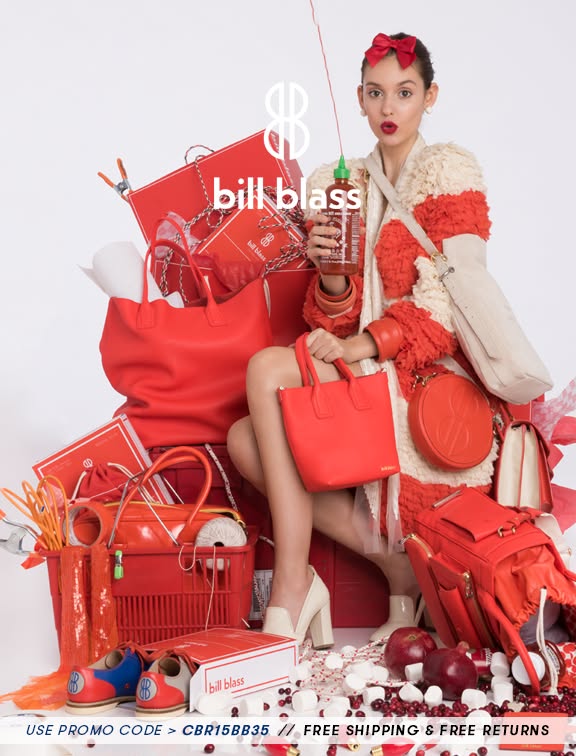
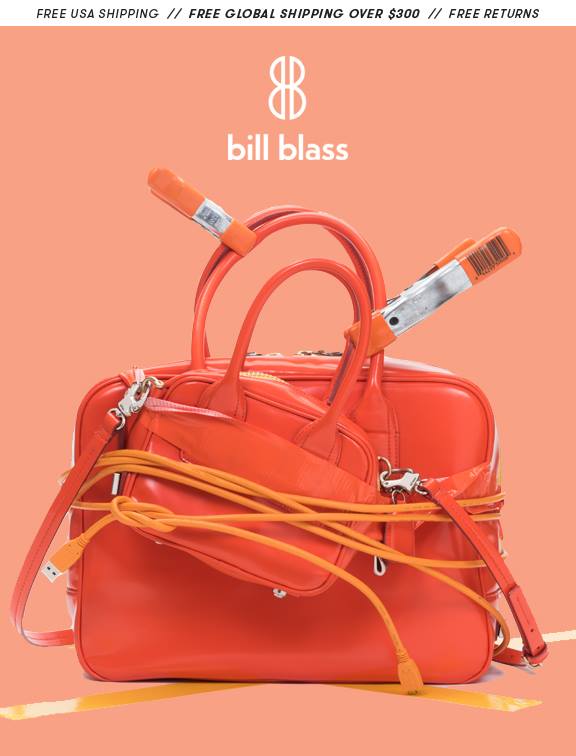
The commercial objective was narrower than a brand relaunch usually is. Two goals: build anticipation for Benz's first collection, and capture a high volume of quality email subscribers. Not awareness. A list.
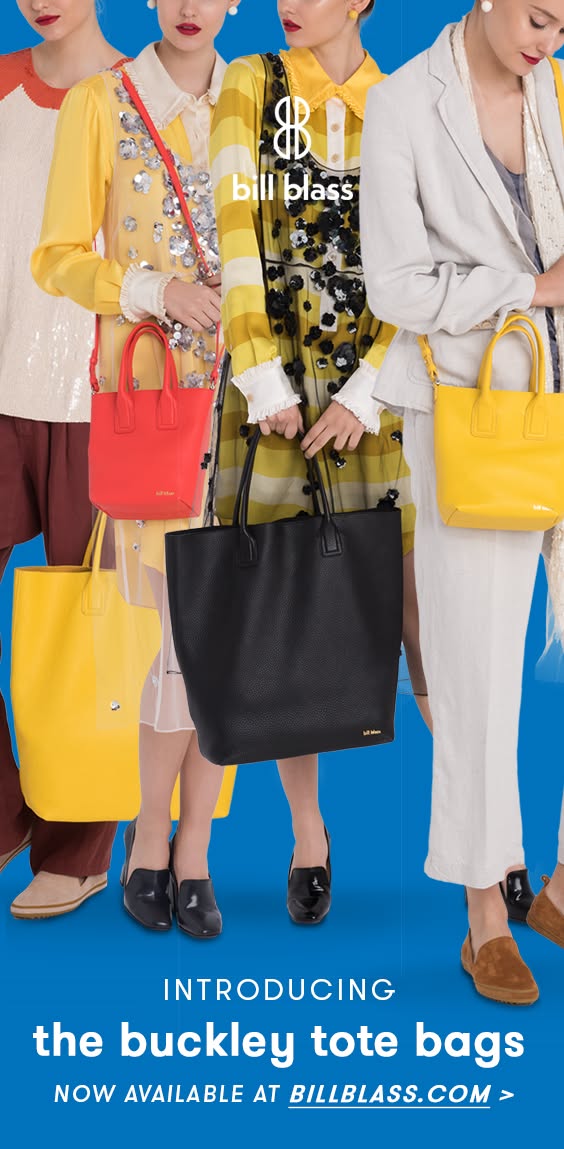

The strategic move was to reject the fashion calendar entirely.

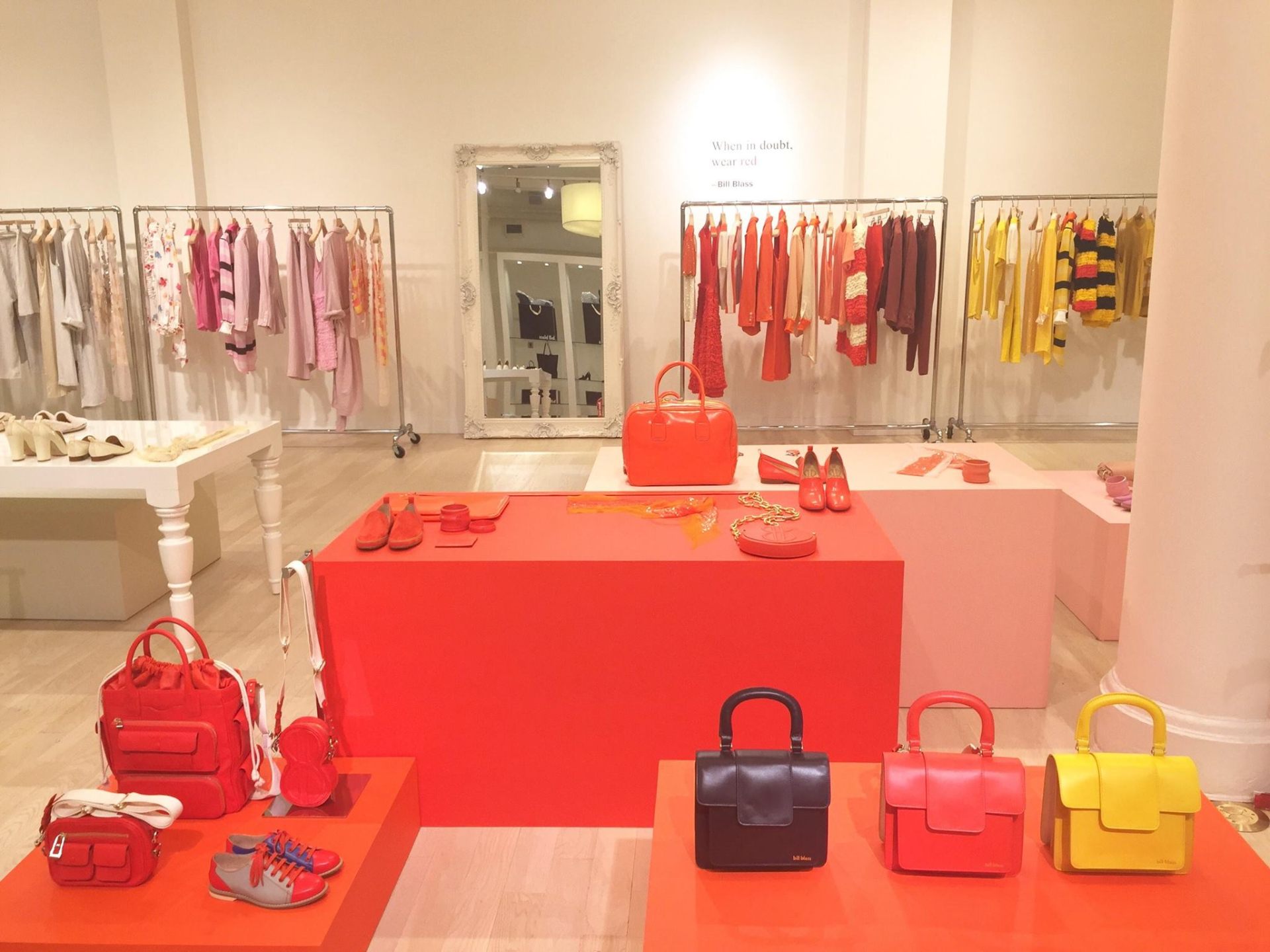
Resort, Pre-Fall, Spring/Summer — these are industry conventions, not customer needs, and the customer we were describing had no patience for them. She wasn't waiting three months to see something new or six months to wear it. So Bill Blass would release a curated collection every month, each under its own theme, each with its own hashtag and editorial story. We called it Blassphemy.
That did several things at once: created scarcity through limited runs, gauged product interest iteratively rather than betting a season on it, generated a genuine reason to subscribe to the newsletter, and gave the brand a reason to speak every month instead of twice a year.
The acquisition funnel was built on a single insight — in email acquisition the initial hook matters more than anything downstream, and once someone is in the funnel there are only three reasons they subscribe or refer: money, content quality, or staying current. So the landing page was an editorial page rather than a shop, with an unobtrusive "win the look" CTA. The squeeze page asked for one thing only: refer a friend, get store credit. Signup triggered an automatic discount, and random flash offers ran all month — buy in the next fifteen minutes and the handbag is free.
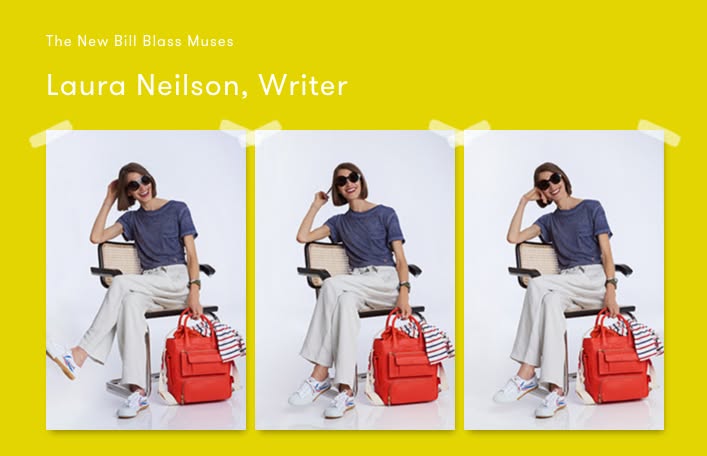
For talent, the strategy specified muses rather than influencers, and the distinction was the point. Three to five women, one per customer segment, cast to cover the breadth of who the brand was for rather than to maximise reach. I defined three customer profiles and matched talent to each. Product seeding was designed to run on social listening rather than follower counts, finding stylish women well outside New York and Los Angeles and sending them hand-picked pieces. The selection criterion was that they couldn't take themselves too seriously.
The paid plan was weighted three-to-one toward pre-launch rather than launch week, on the argument that a heritage relaunch has to rebuild recognition before it can convert it. Within that, half to display for awareness and the remainder split evenly between search and remarketing, both driving subscription — optimised in flight. Wild postings ran across ten New York locations — chosen because the fashion and media community pays attention to them.
Out of Season launched, and #FOMO15 launched with it. The relaunch was covered by Fast Company.
The muse programme ran differently from how I'd specified it: rather than being styled by Benz in the showroom, the women were engaged as influencer partnerships and shot themselves. That's a fair adaptation — it traded the controlled editorial look for something closer to how those women actually posted — but it's worth naming, because the strategy and the execution weren't the same document.
I wrote the strategy. I didn't run the campaign.