What it was
A partner sales ecosystem built from zero inside a company that measures everything.
My role
Program architecture and strategy; VP of Strategy leading the account team
A partner sales ecosystem built from zero inside a company that measures everything.
Program architecture and strategy; VP of Strategy leading the account team
A partner sales ecosystem built from zero inside a company that measures everything.
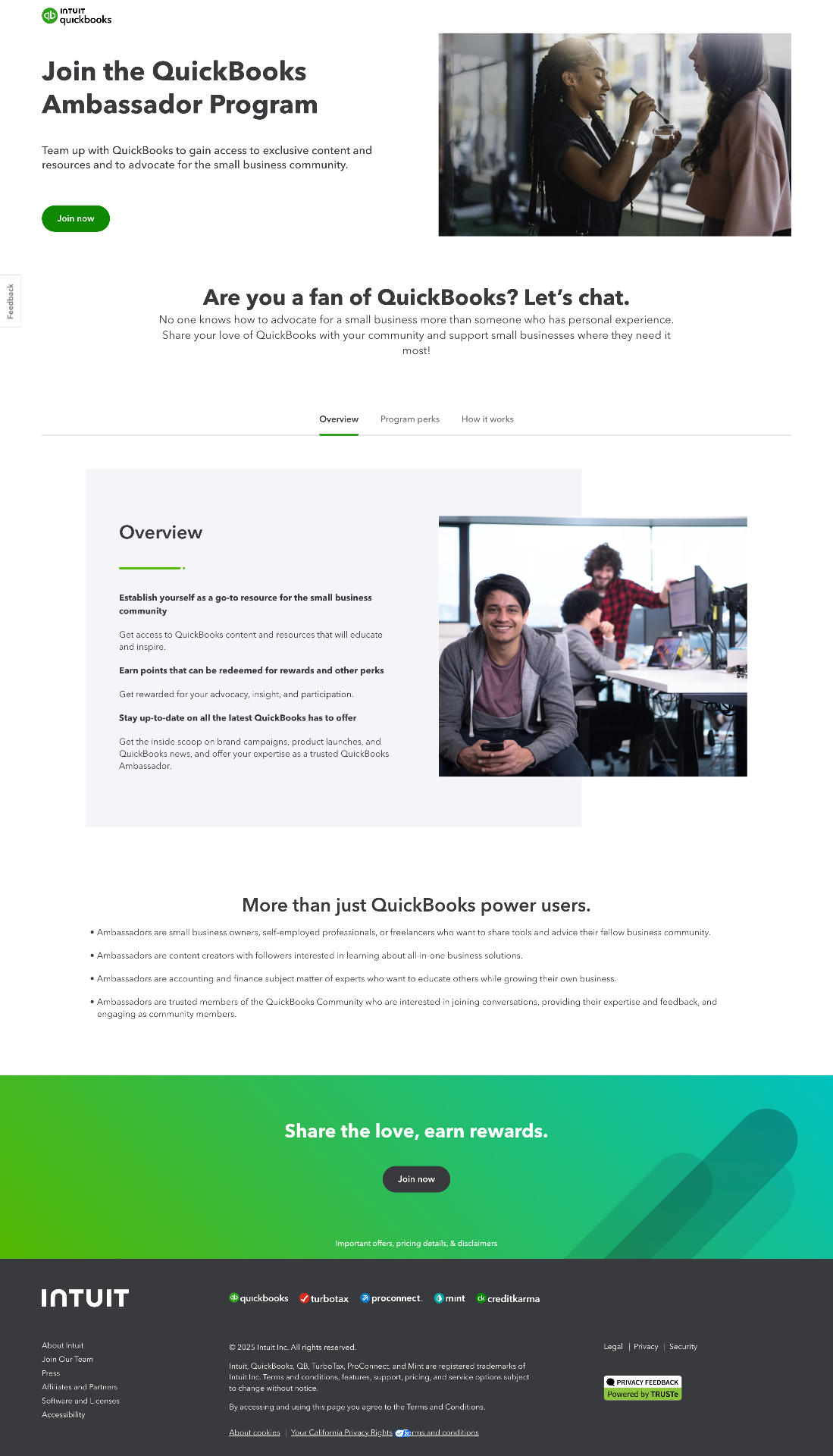
Landing page
Ambassador Program landing page — recruitment surface for the program at scale.
QuickBooks had an asset it wasn't using: accountants whose clients were already on the platform, and self-employed people who lived inside the product every day. Both groups had credibility and reach. Neither had any structured way to act on it.
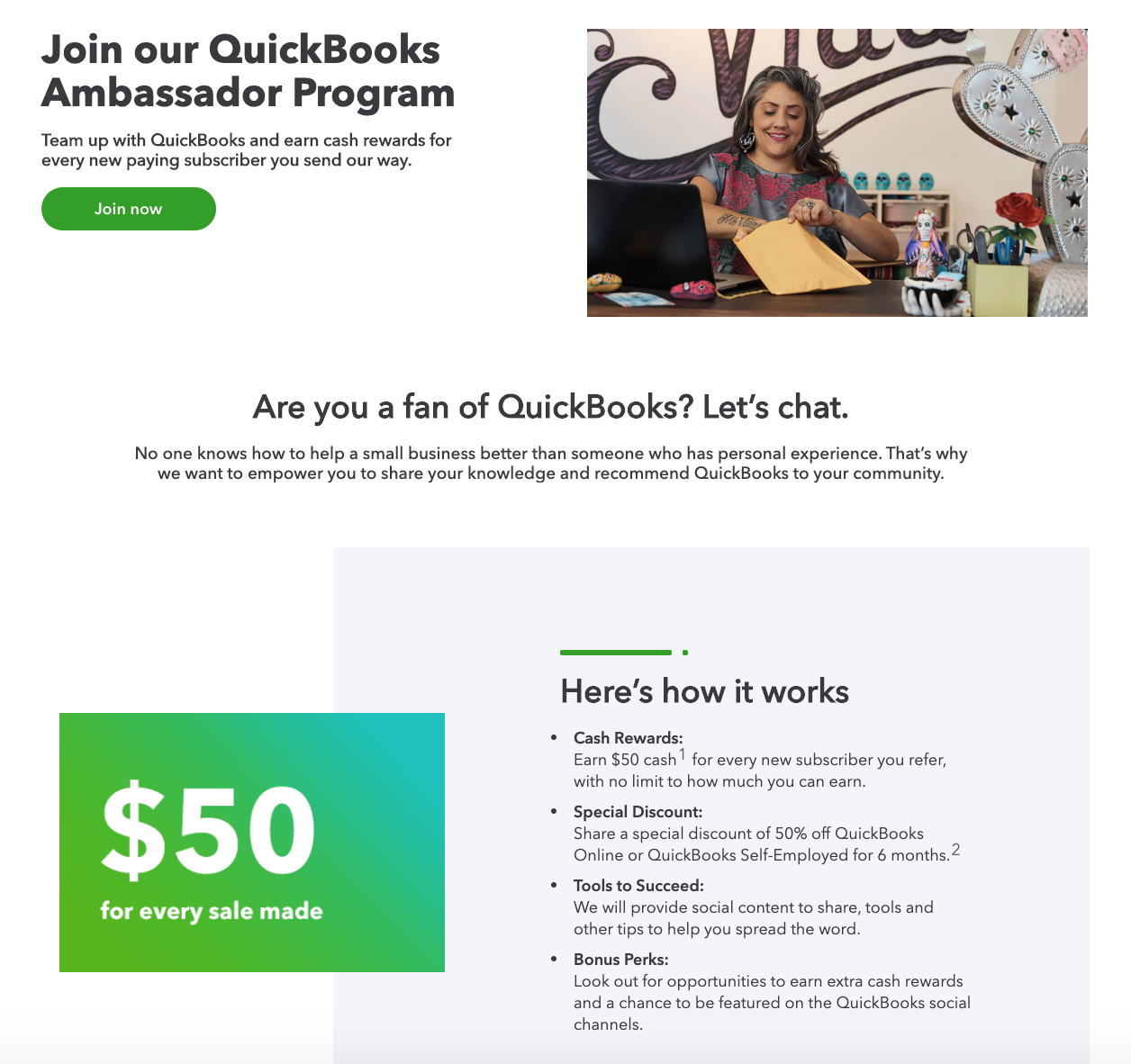
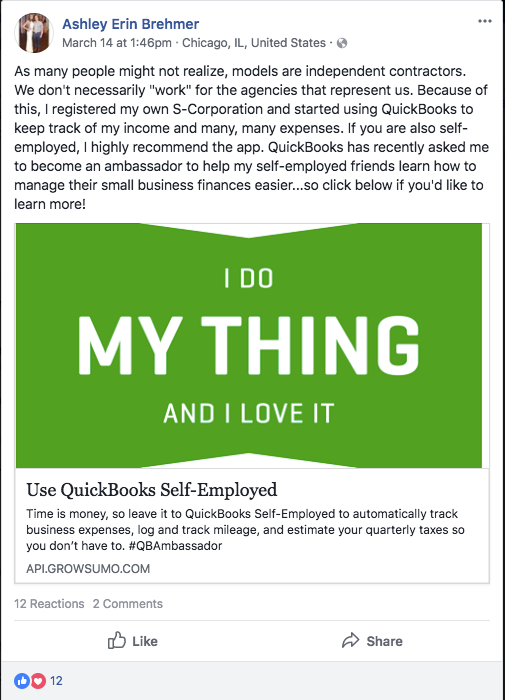
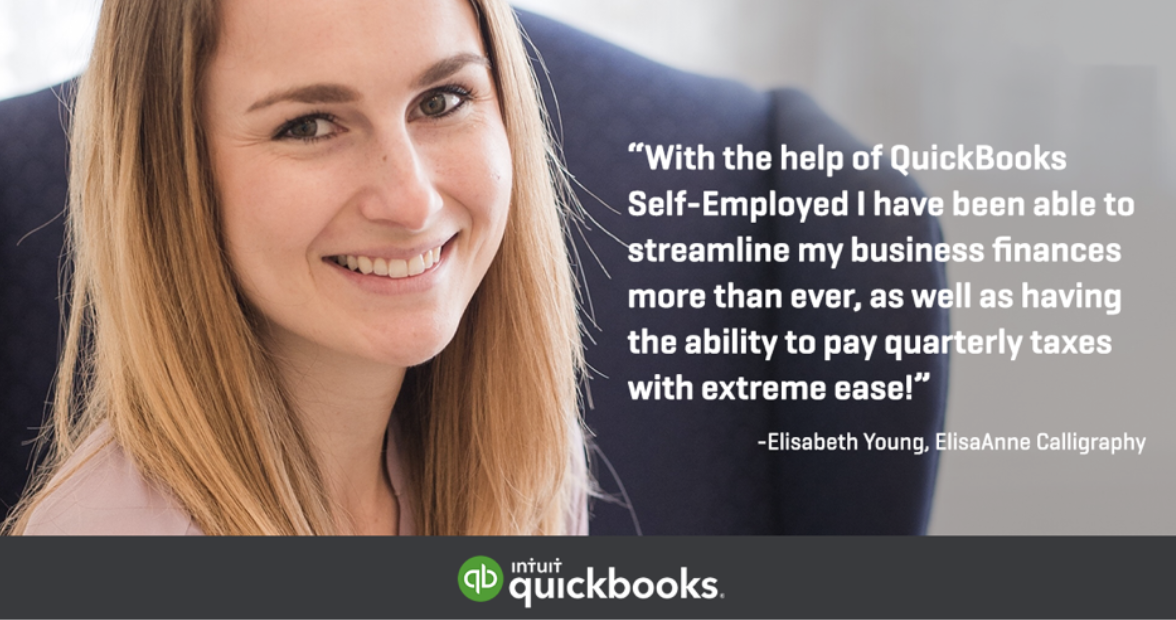
The tooling to run something like this at scale didn't fully exist yet, which meant building the ecosystem and helping design the infrastructure underneath it at the same time.
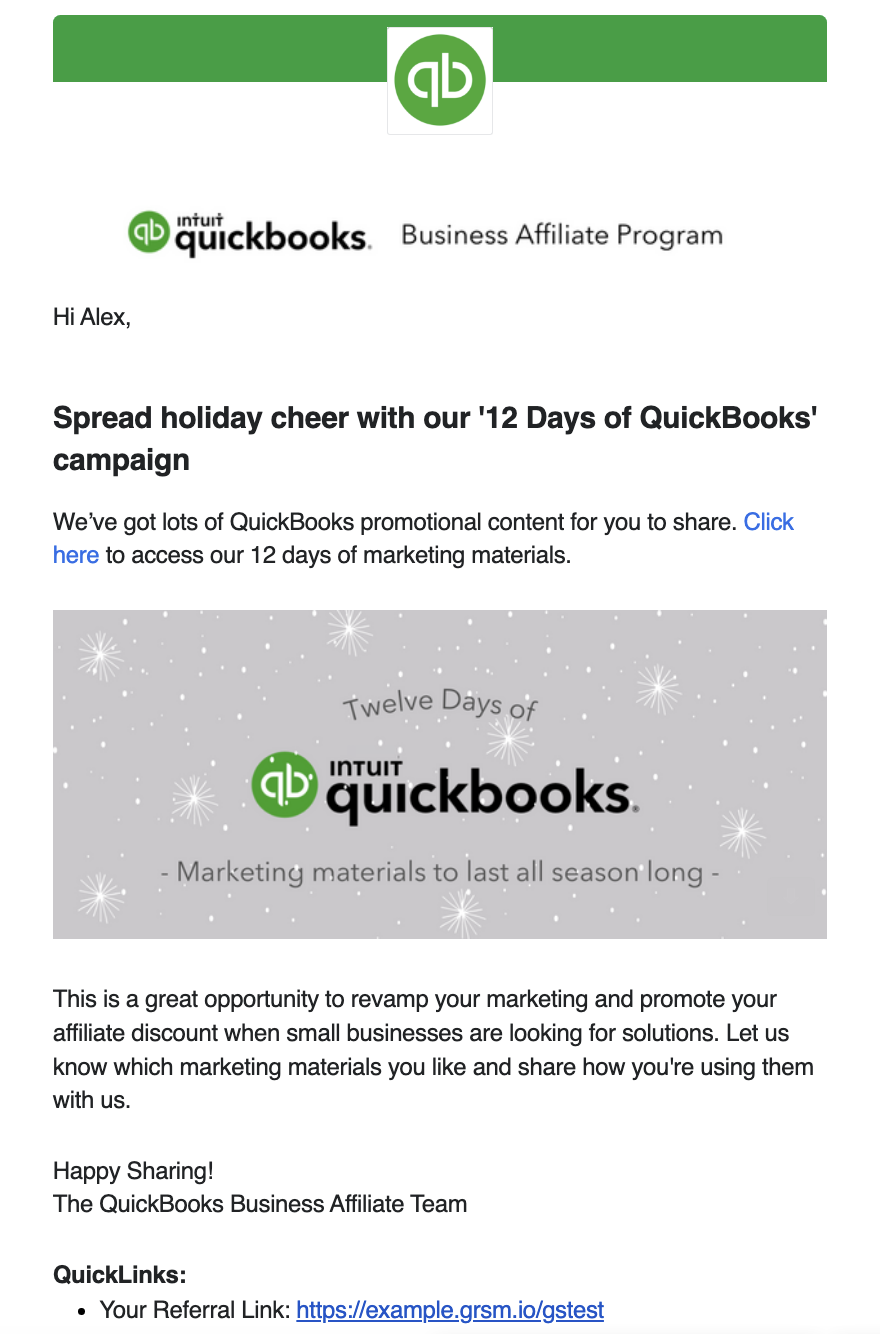
It took a year before anything launched. Most of that year was the unglamorous part — building the internal case, choosing and pressure-testing the platform, writing the legal terms, and getting a large public company comfortable with paying strangers to recommend its product. The program went live in 2018. That year of groundwork is why it was still running long after I left.
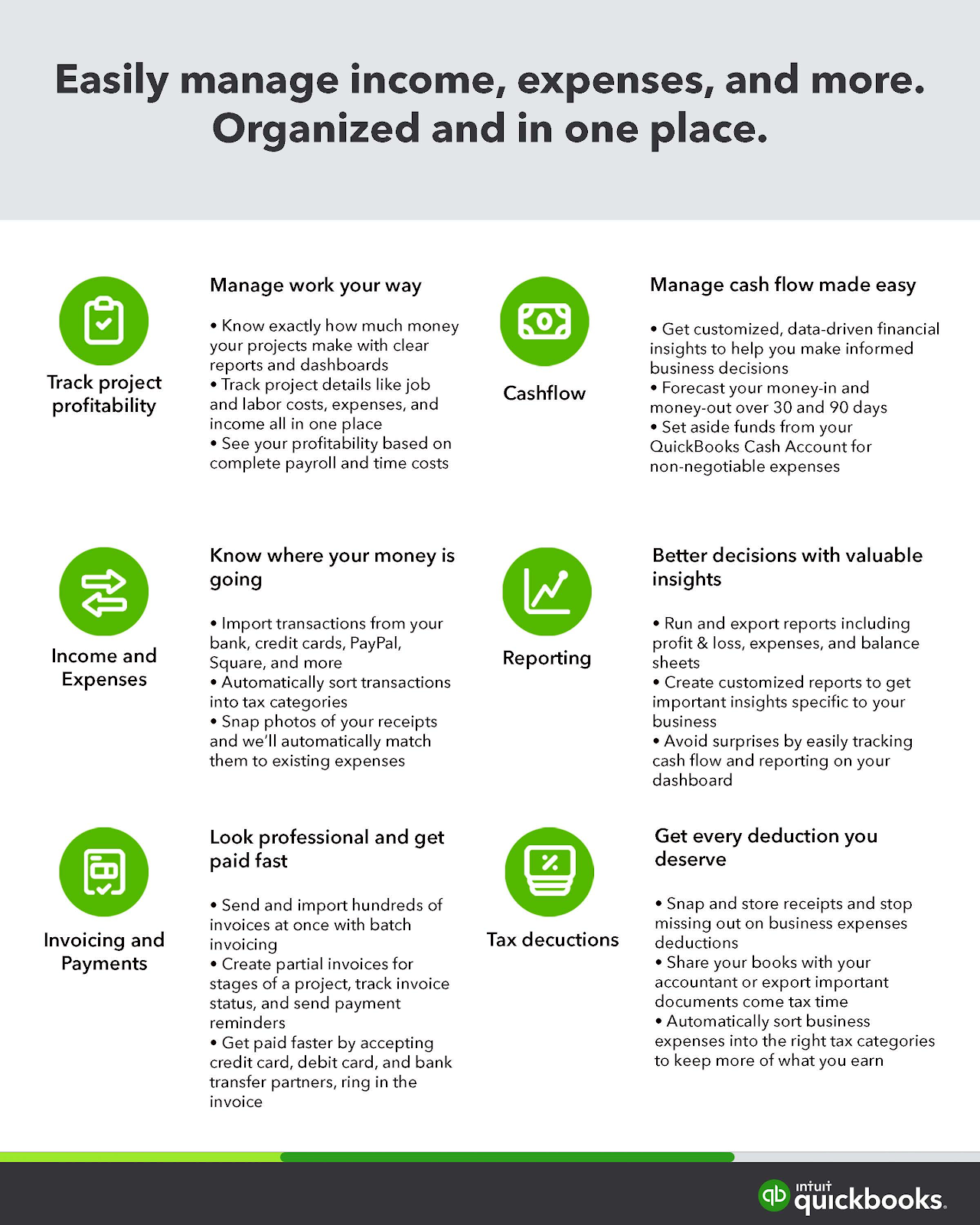
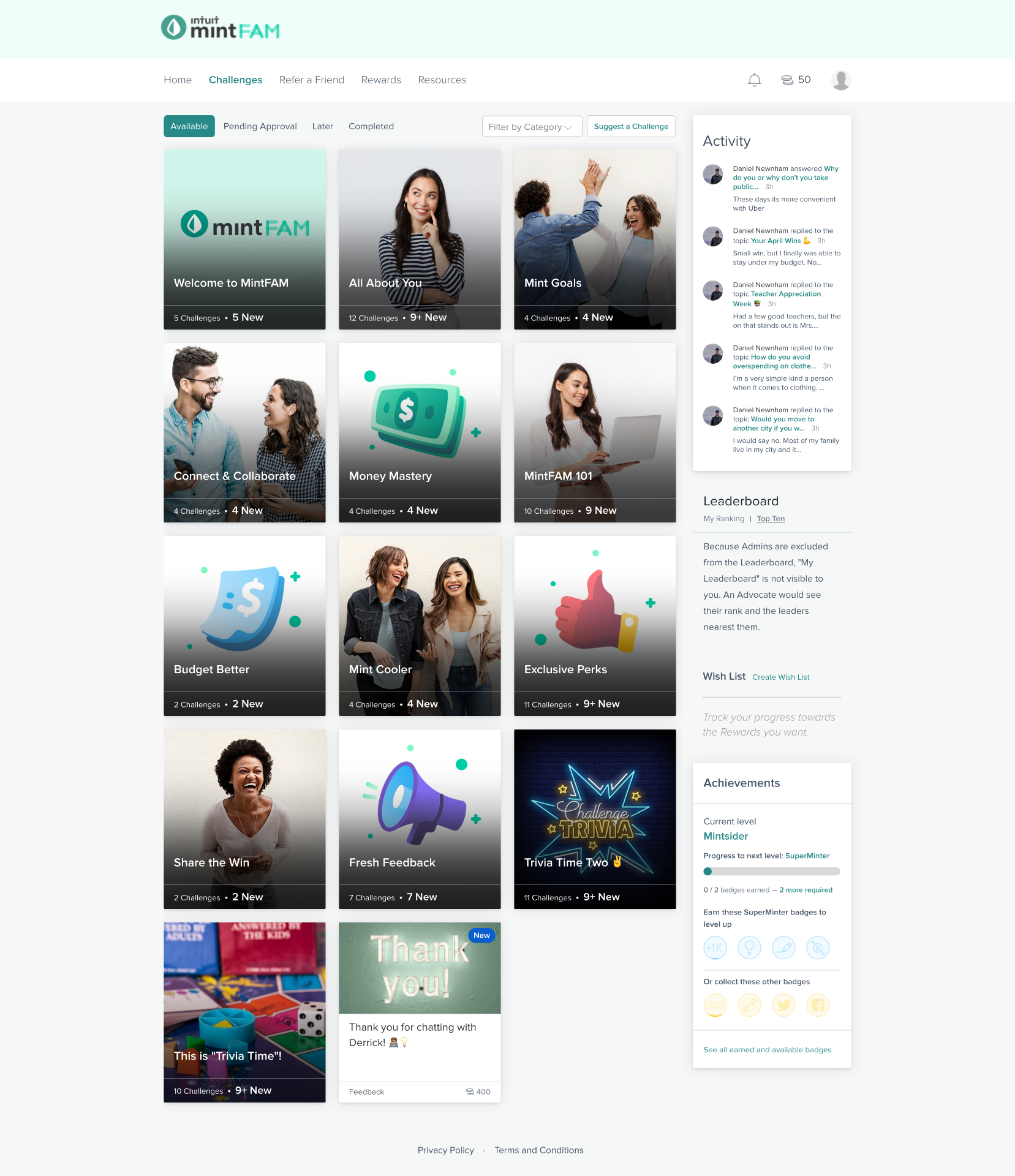
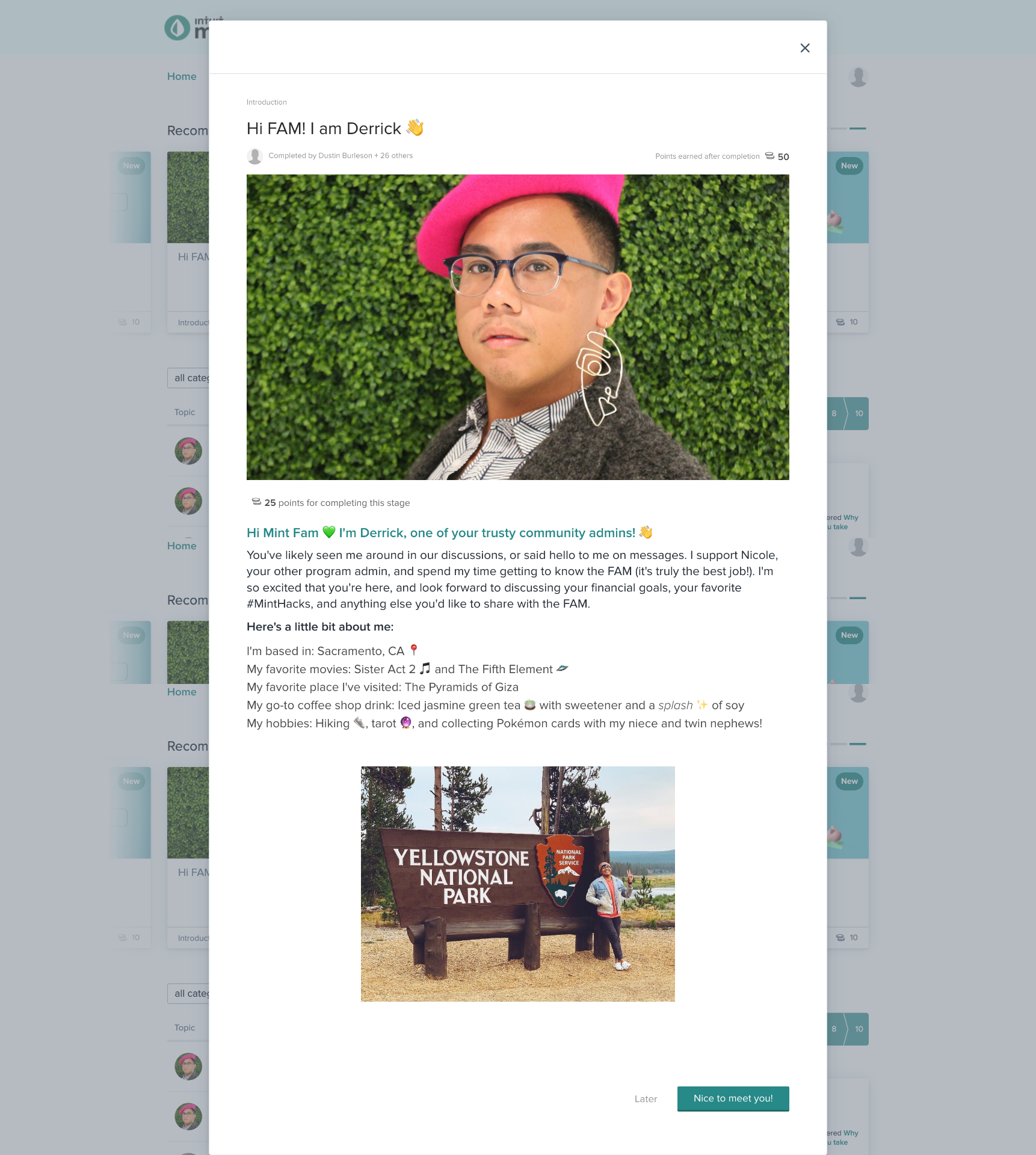
The decision that shaped everything was treating each partner type as a genuinely separate program rather than a variation on one mechanic.
Accountants needed their professional credibility protected. They cannot look like they are selling; they have to look like they are recommending, because the recommendation is the product. Self-employed customers and influencers needed the opposite — co-marketing tools that let them put their own identity next to the brand without being absorbed by it.
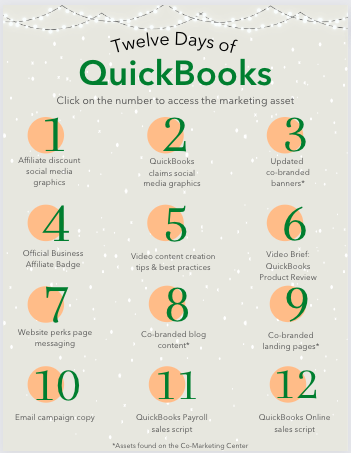
The co-marketing centre didn't exist as a feature anywhere. Partners needed to add their own logo and referral link to QuickBooks assets at scale, so I worked directly with PartnerStack to design the functionality. Those features went on to inform their enterprise product.
Then a segmentation change that mattered more than it sounds. The program had been grouped by referral volume — low, medium, high. We moved it to grouping by who people actually were: one-and-done referrers, self-employed customers, small business owners and advisors, influencers, accountants, and affiliates as a separate program entirely. Volume tells you what someone did. Identity tells you what they need next.
Making that hold was an operations problem, not a strategy problem. Hundreds of new ambassadors were joining every month and defaulting into the wrong group, and moving them afterwards re-fired the whole onboarding email sequence — a confusing experience for someone who has no idea anything happened. So rather than a manual cleanup every month, we put two calls to action on the sign-up page and let people self-select at the door. The segmentation maintained itself.
In January 2020 the program's priorities changed. Engagement came off the list and rewards were cut to protect margin. By the fourth quarter we had sent no editorial calendars and run no challenges at all.
Referral link clicks went up 23%. New subscriptions went up 3%. And mentions fell 79%, unique authors fell 81%, and earned impressions fell to nothing.
Turning off the engagement layer didn't cost us referrals. It cost us the entire earned media side of the program, immediately and totally. Without a prompt, ambassadors did not share on their own.
Most advocacy programs are sold on the idea that engagement drives everything. This is the rarer thing: evidence that referral volume and earned reach are separable outcomes bought with different currencies, and that you can accidentally stop paying for one of them.
One ambassador — a single partner operating more like an affiliate — drove a third of all new subscriptions in FY20, 88% of them for QuickBooks Self-Employed.
A power law inside a base of thirteen thousand people. It's the fact that forces the real question: is this a community program, or an affiliate program with a community attached? They are different businesses, and they were running on the same rails.
More than 13,000 partners. Close to seven thousand new subscriptions in FY20. Approaching a million referral clicks.
Nearly ten million earned impressions from the program hashtag — and undercounted, because Facebook and Instagram couldn't be tracked for privacy reasons and Facebook was the second-most used sharing platform in the program.
Around 11% of the base active in any given month. That is roughly what a large advocacy program actually runs at, and pretending otherwise is how these programs get oversold.
International expansion to Canada and Australia. Extended beyond QuickBooks Self-Employed to other Intuit products. Intuit CEO Award. The program is still running.