B2B Social Strategy
B2B social strategy for enterprise tech has a specific failure mode: it produces content that sounds like a press release, performs for compliance rather than audience, and gives the sales team nothing to work with. Rubrik's challenge was a version of the comprehension problem most enterprise cloud companies face — the product is genuinely sophisticated, the buyers are technically literate, and the instinct is to lead with capability rather than consequence.
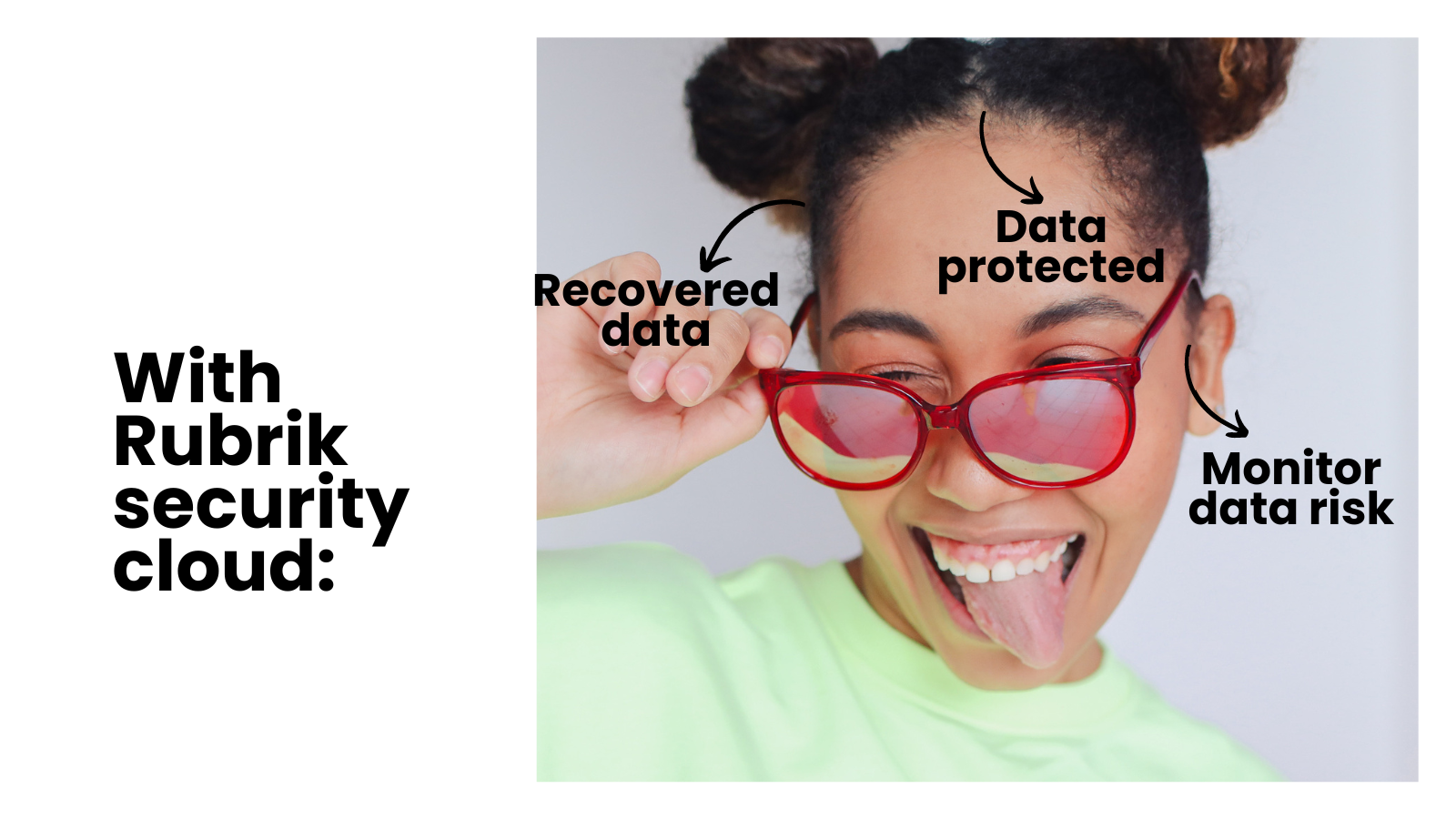
I shifted the content from product-led to outcome-led. Not what Rubrik's platform does — what happens to a business when its data is protected, recoverable, and governable. That reframe changes the audience from IT infrastructure buyers to business leaders who care about risk, continuity, and compliance. It also changes the language: away from feature specifications and toward business stakes.
The situation
Rubrik had strong product capabilities and weak content — social material that led with technical features rather than business outcomes, reaching IT buyers but not the broader business leadership making purchasing decisions at enterprise scale.
The thinking
Enterprise security marketing has a vocabulary problem. The category grew up talking about backup, archive and storage — passive words for what had become an active security function. Part of the work was refusing those words. They were banned from every piece of content we produced.
The programme ran as micro-campaigns rather than an always-on feed: three to four campaign plans every six weeks, each mapped to a real business moment, each running roughly twenty-four posts across four platforms, with paid spend optimised daily against audience and creative performance.
What held it together at that cadence was the editorial process rather than the ideas. Three review rounds before anything reached the client — the writer against a checklist, a strategist, then me. A standing set of brand rules covering terminology, how the company was referred to relative to its executives, and what a hook was allowed to do. Link governance and campaign tagging so every post could be traced through to the CRM rather than reported on in isolation.
I also mapped the in-house social team the client didn't yet have — what to hire immediately, what the mature version looked like, and which roles they could skip. Telling a client not to make a hire is part of the job.


01 / 05
B2B Social Strategy