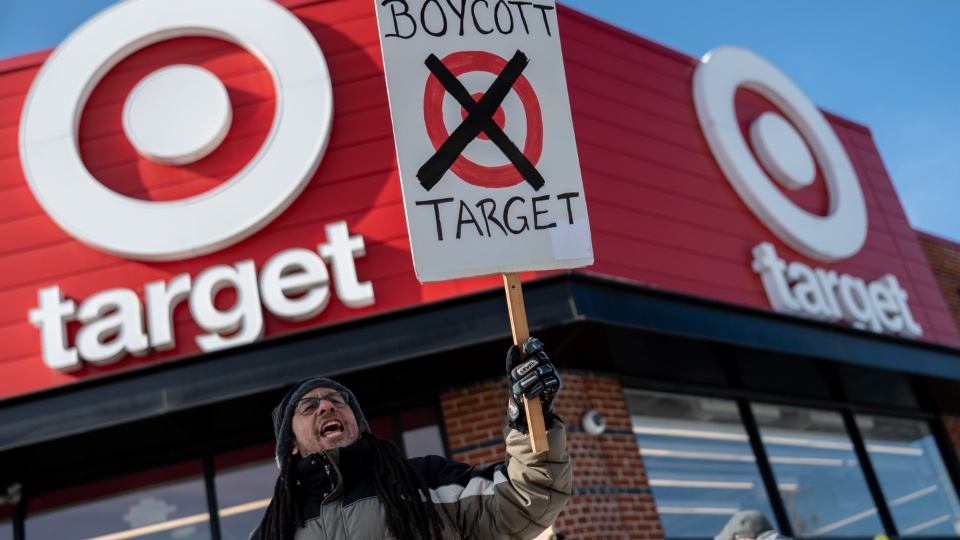
In 2010 no playbook existed for a brand crisis playing out on Twitter in real time. When Target's political donation controversy triggered consumer backlash, the response infrastructure had to be invented alongside the strategy.
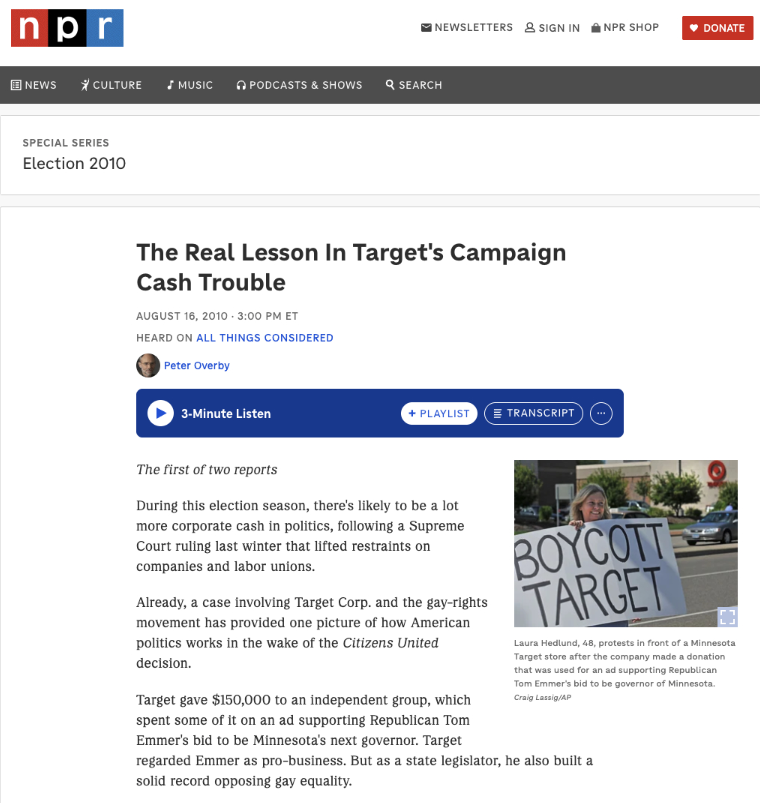
Protest moment
Protest documentation from the period the response infrastructure was being invented.
The situation
Target's political donation controversy triggered significant consumer backlash across social platforms at a moment when no established practice existed for handling it. There was no escalation path, no routing model, and no way to measure whether anything being done was working.
The thinking
I built the crisis frameworks, escalation SOPs, and customer service routing systems from scratch in Sprinklr — working directly with the platform as a lighthouse client, where our requirements shaped features that became standard enterprise social listening infrastructure across the industry.
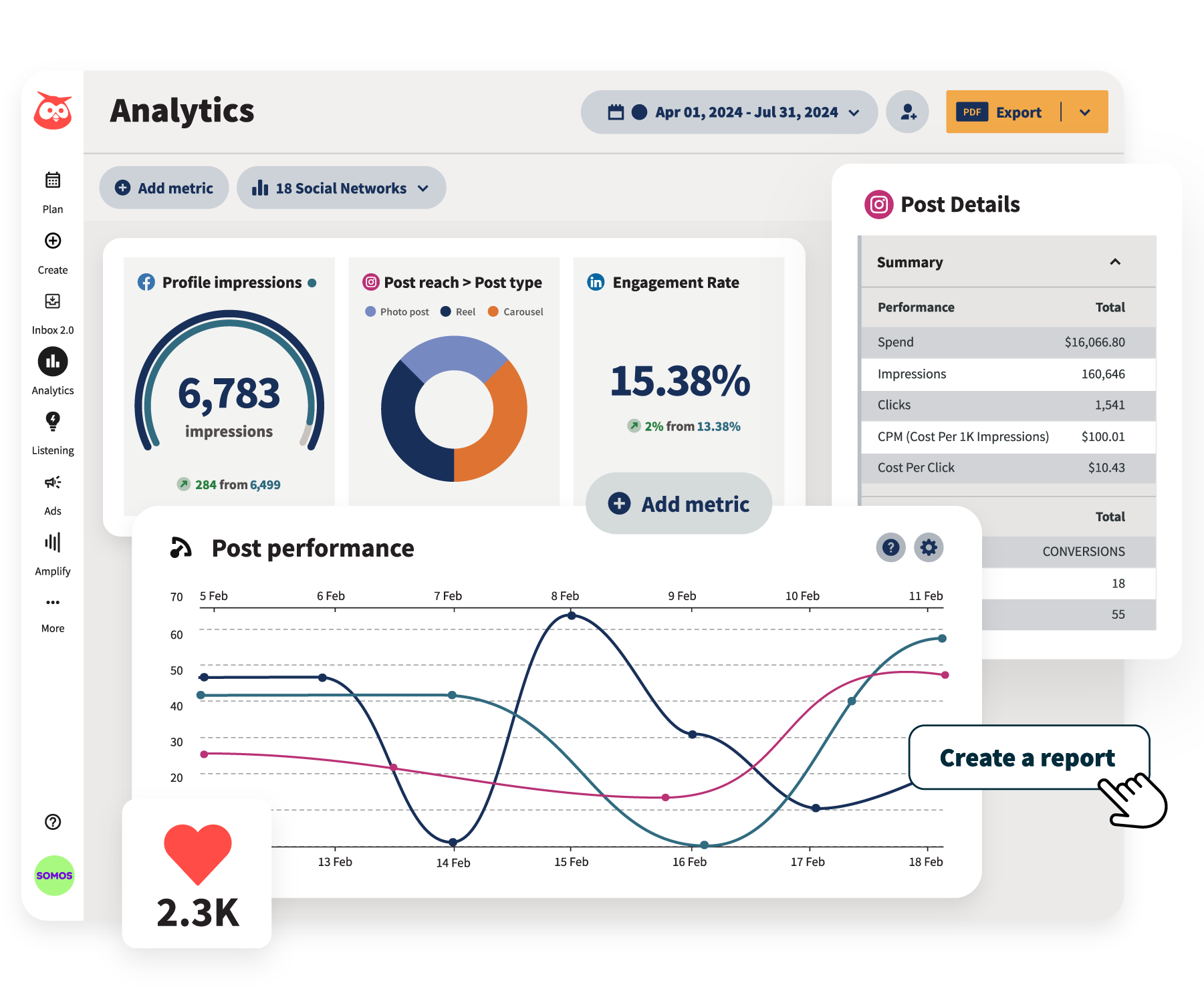
The measurement layer built to monitor the crisis turned out to be the more durable asset. It became a weekly cross-channel dashboard tracking engagement, sentiment, participation rates, and influencer reach across Facebook, Twitter, and YouTube, benchmarked against seven competitors including Walmart, H&M, and Kohl's. Crisis monitoring had forced a discipline that ordinary reporting never demanded: knowing, continuously, where you stood relative to everyone else.
Results
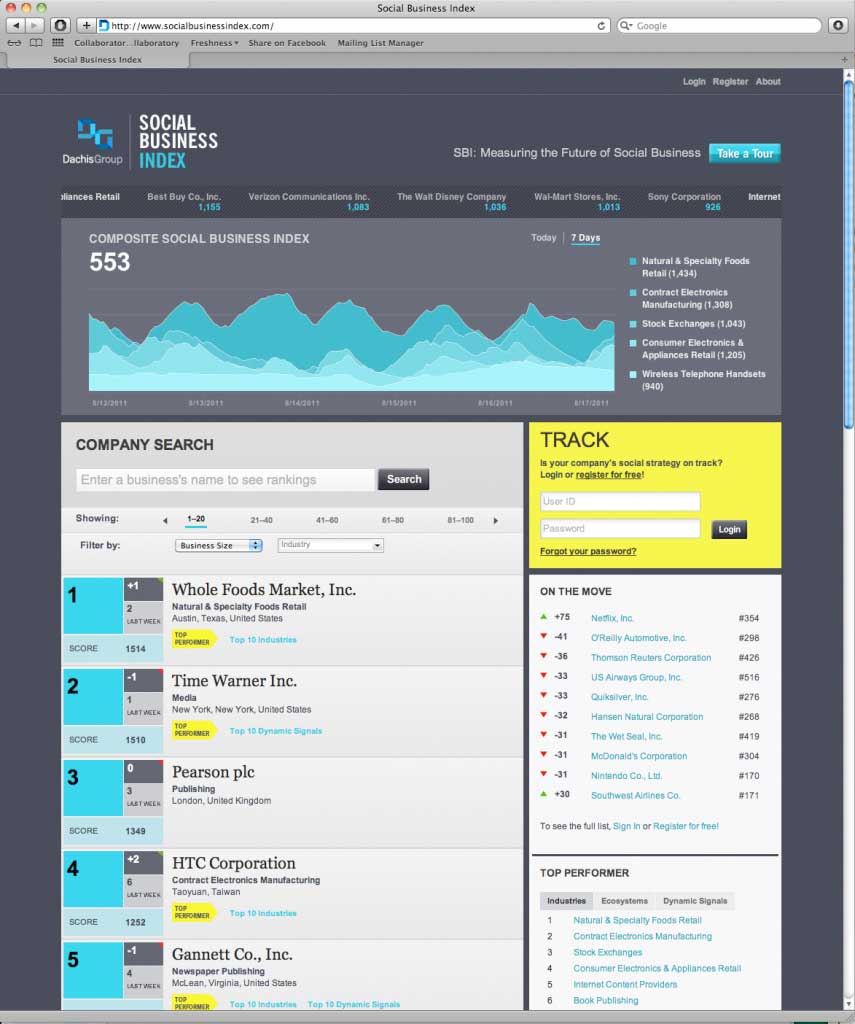
The analytics methodology contributed to the Dachis Group's Social Business Index — one of the first public platforms offering real-time competitive benchmarking and social ROI analysis at scale, powered by natural language processing, machine learning, and near real-time clustering. When the index launched publicly in 2011, it commercialized the kind of social intelligence work that had been built and tested through engagements like Target.