What it was
An Olympic campaign for a retailer, built around athletes the retailer employed.
My role
Social content strategy, creative cutdowns, and influencer and production budgets
An Olympic campaign for a retailer, built around athletes the retailer employed.
Social content strategy, creative cutdowns, and influencer and production budgets
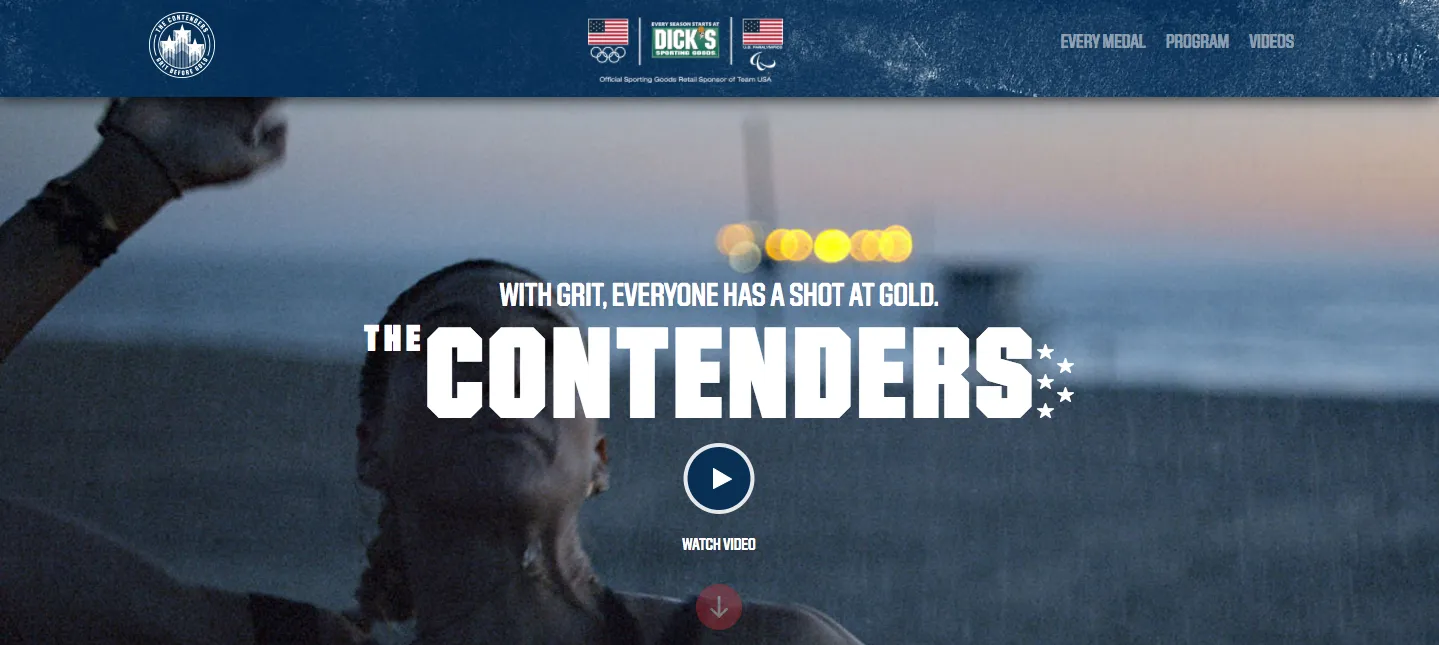
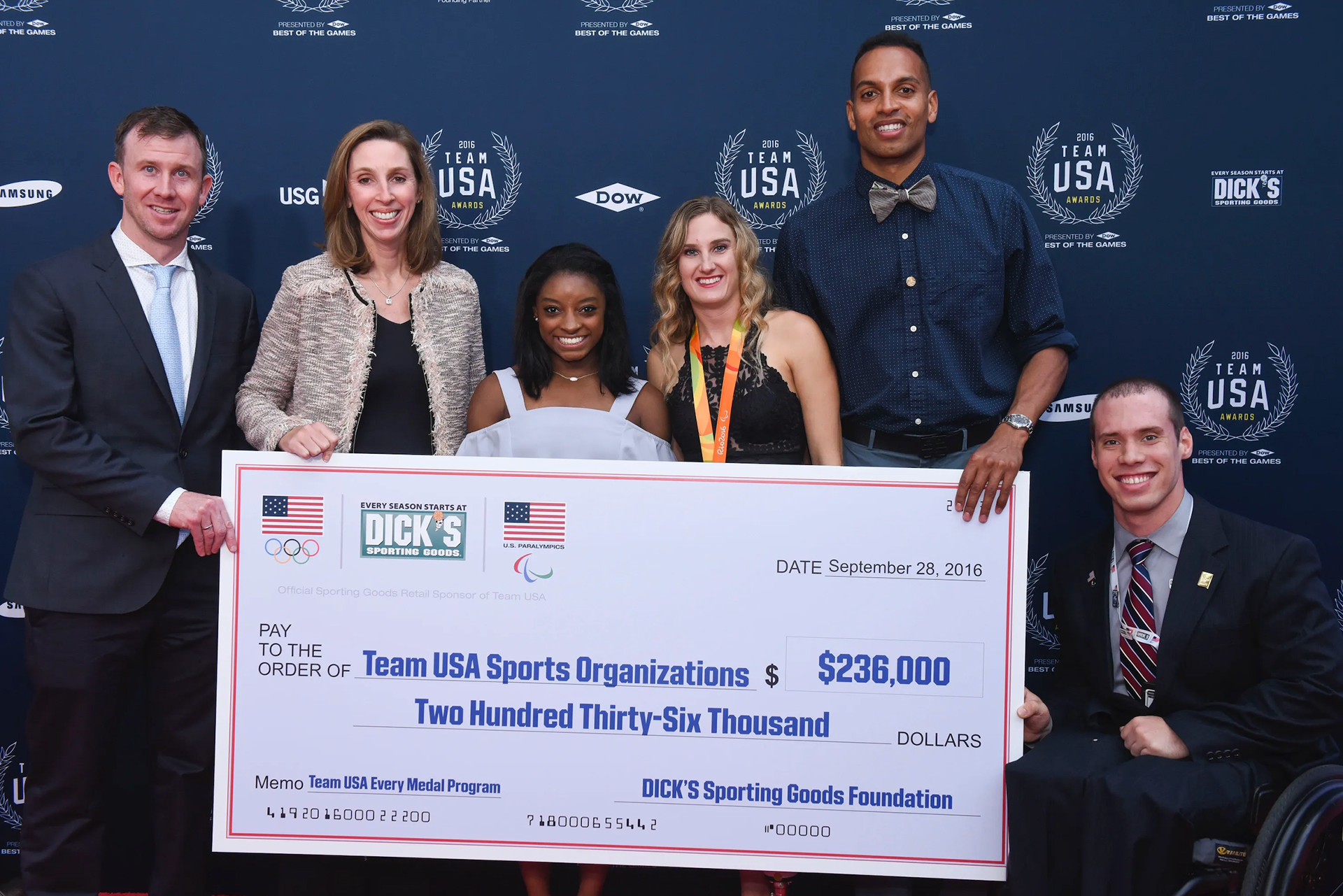
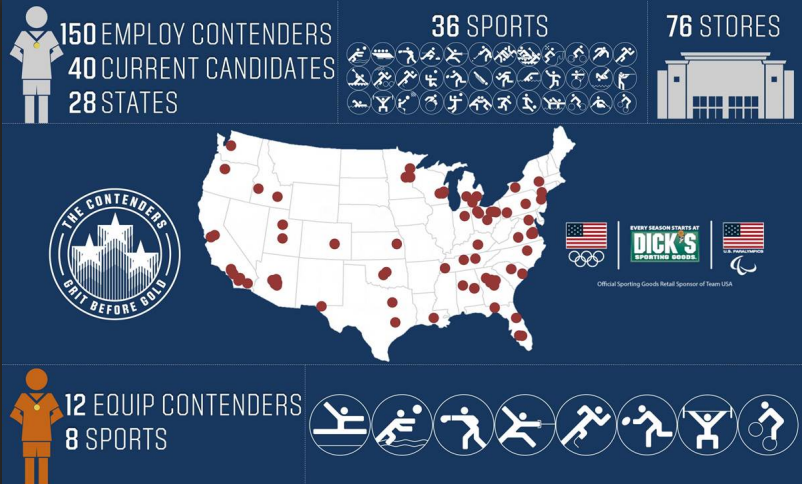
An Olympic campaign for a retailer, built around athletes the retailer employed. More than 170 Olympic and Paralympic hopefuls, across 36 sports and 31 states, working in DICK'S stores or carrying contracted support so they could keep training while earning a living. The brand didn't lend them its platform. They lent the brand theirs.
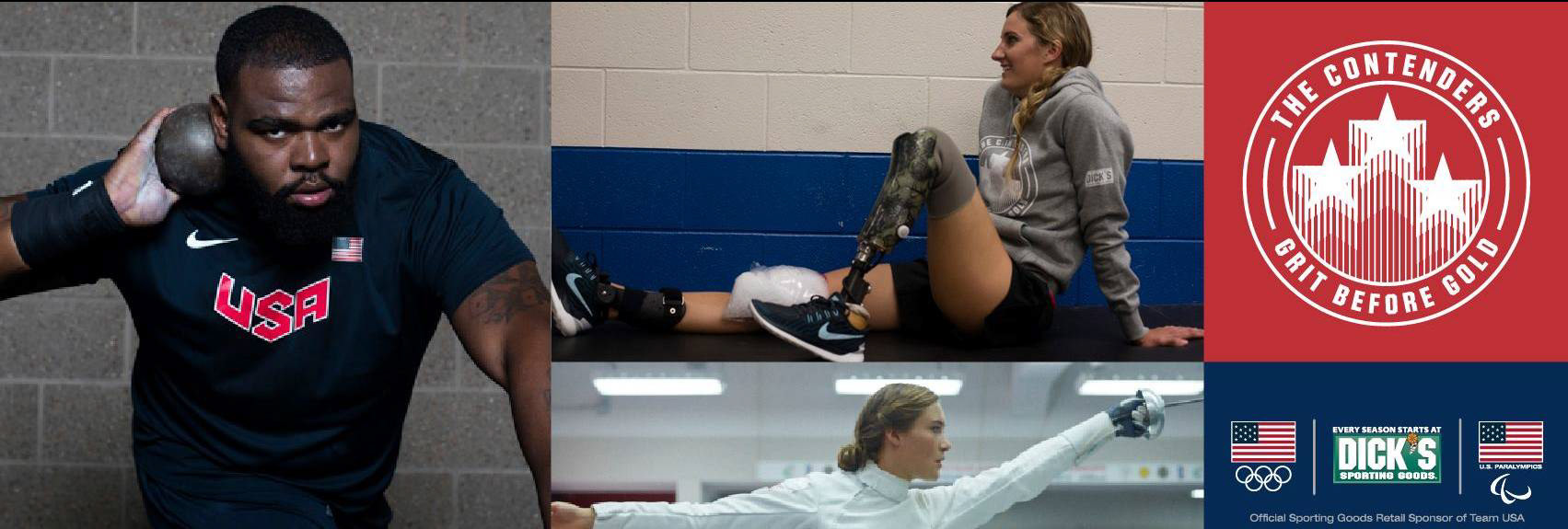
Athlete collage
Composite of athletes featured across the campaign.
DICK'S Sporting Goods was doing something unusual: employing Olympic and Paralympic hopefuls in its stores, and equipping others with contracted support, so they could keep training while earning a living. More than 170 of them, across 36 sports and 31 states.
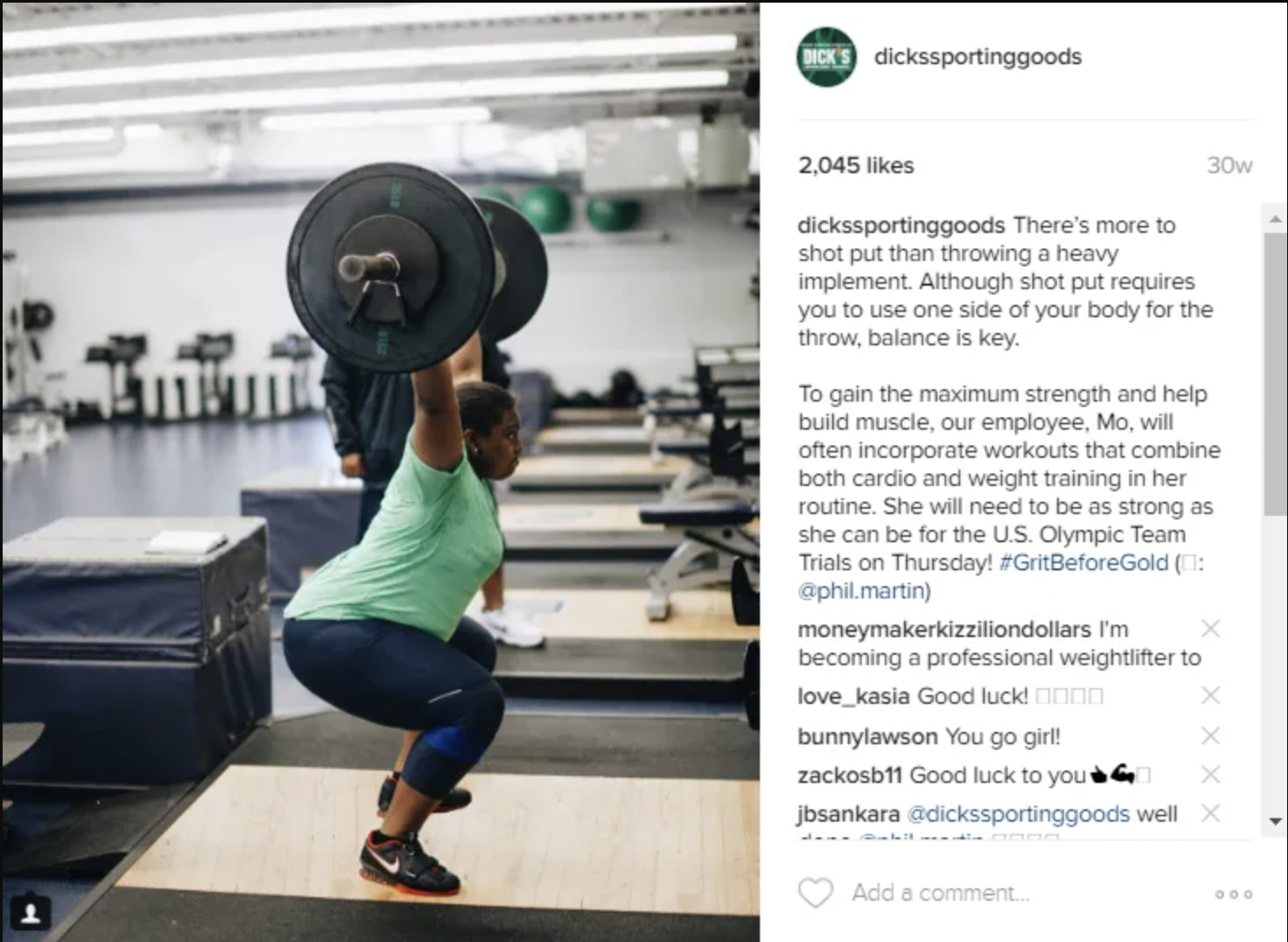
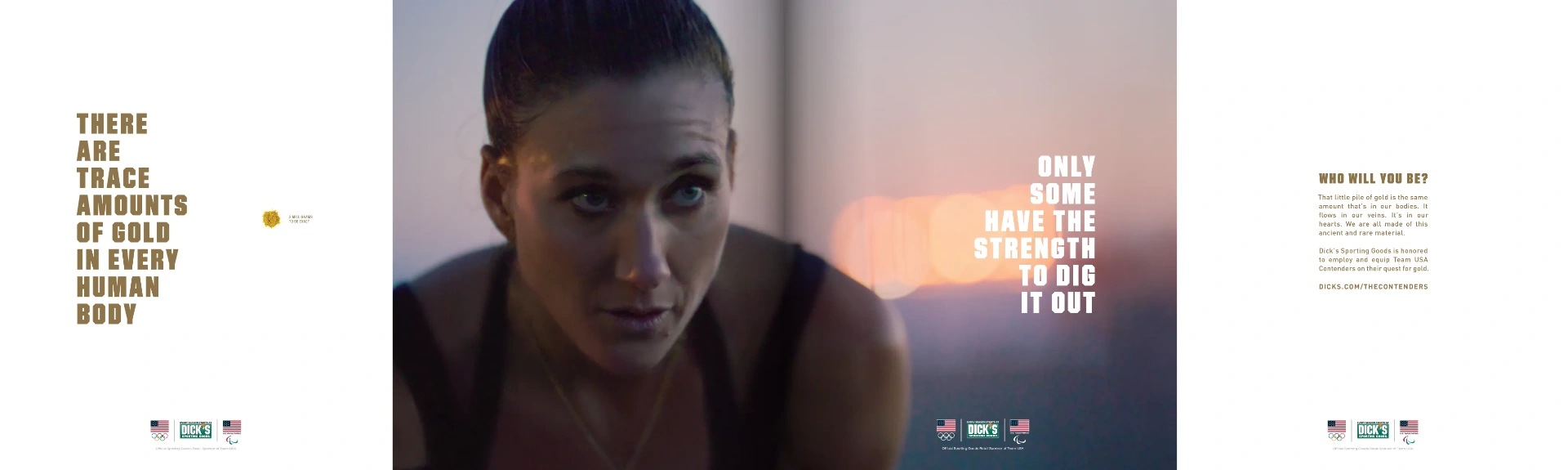
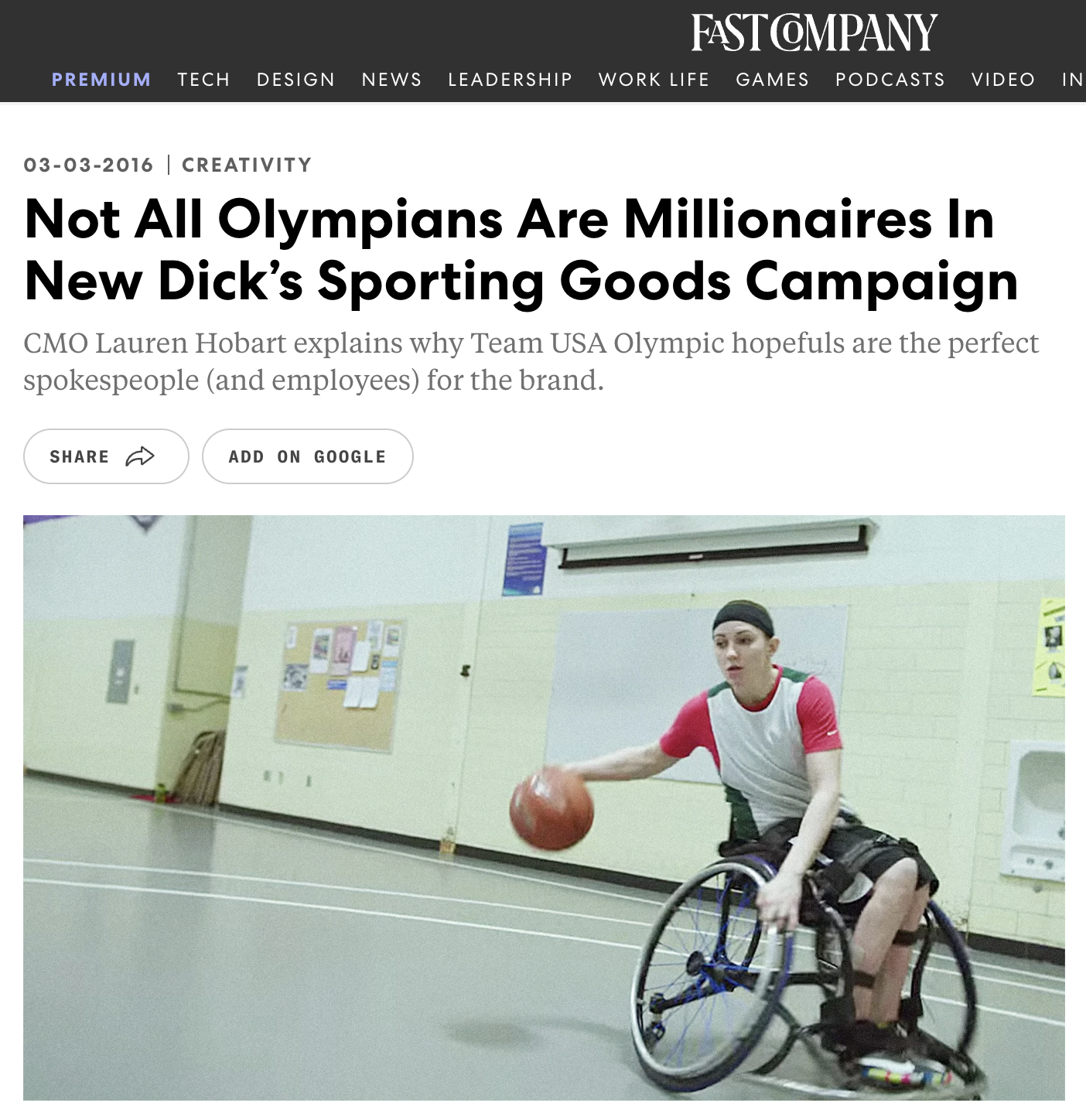
That's a real programme, not a marketing device. Which created the strategic problem — the temptation with a story that good is to stand in front of it.
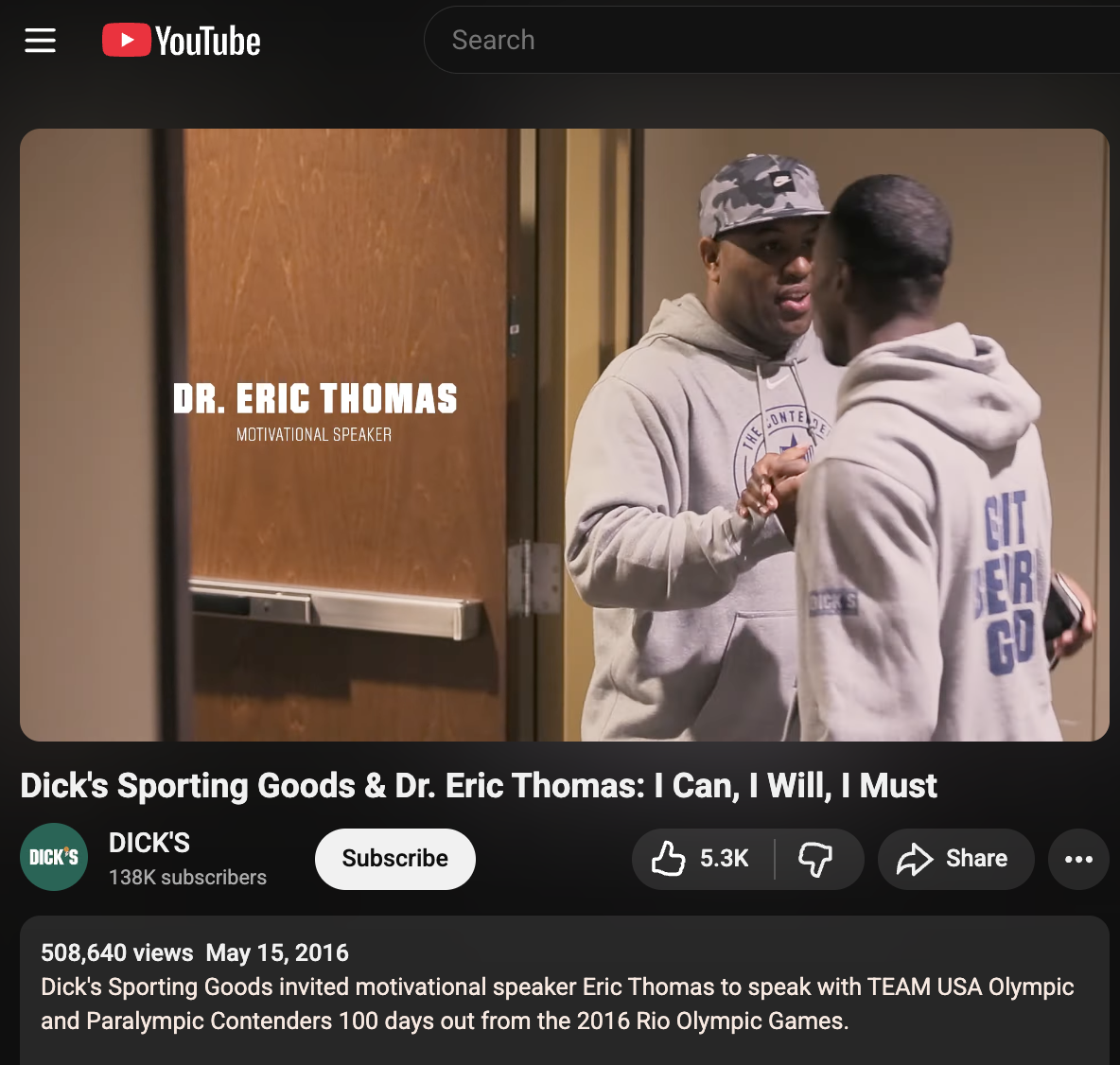
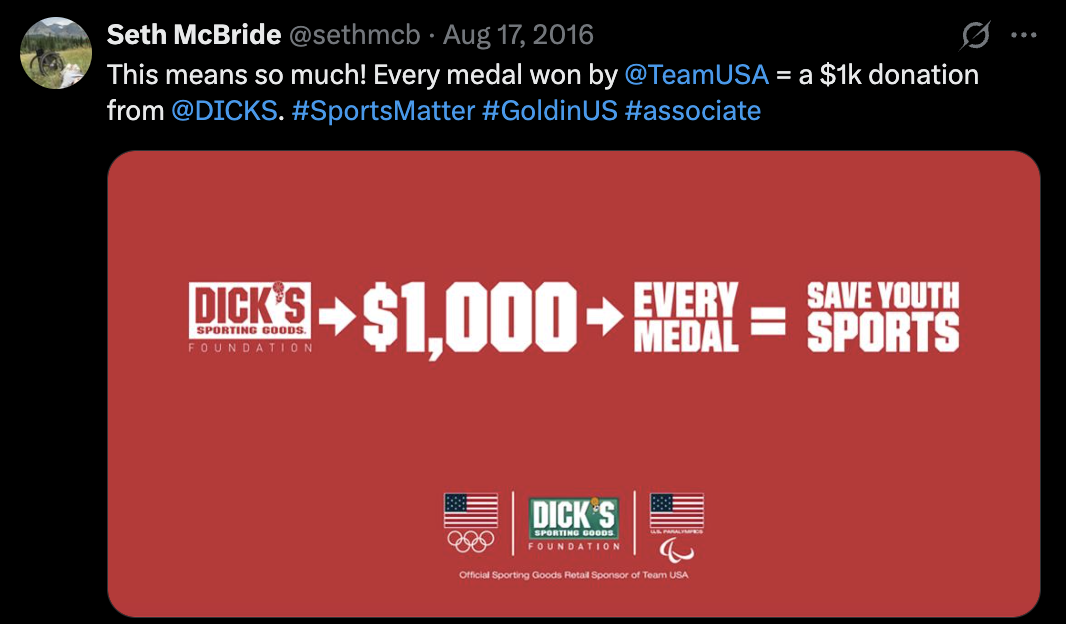
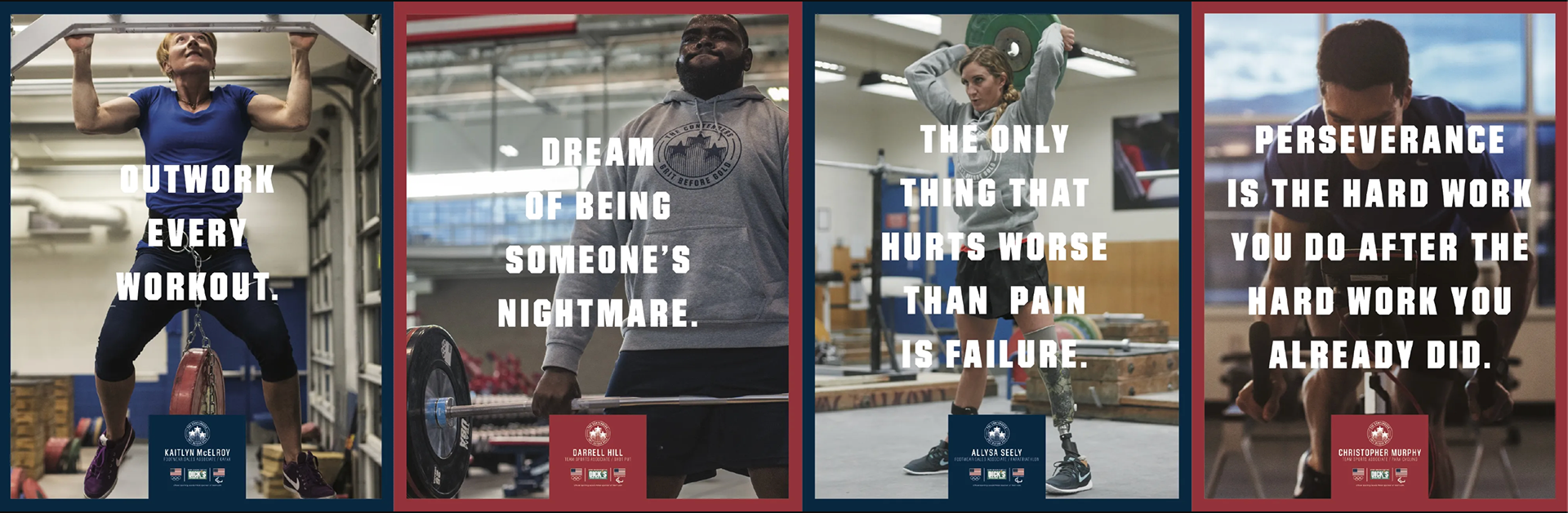
The organising decision was to anchor the campaign in the fact that it was not about DICK'S Sporting Goods. It was about the Olympians.
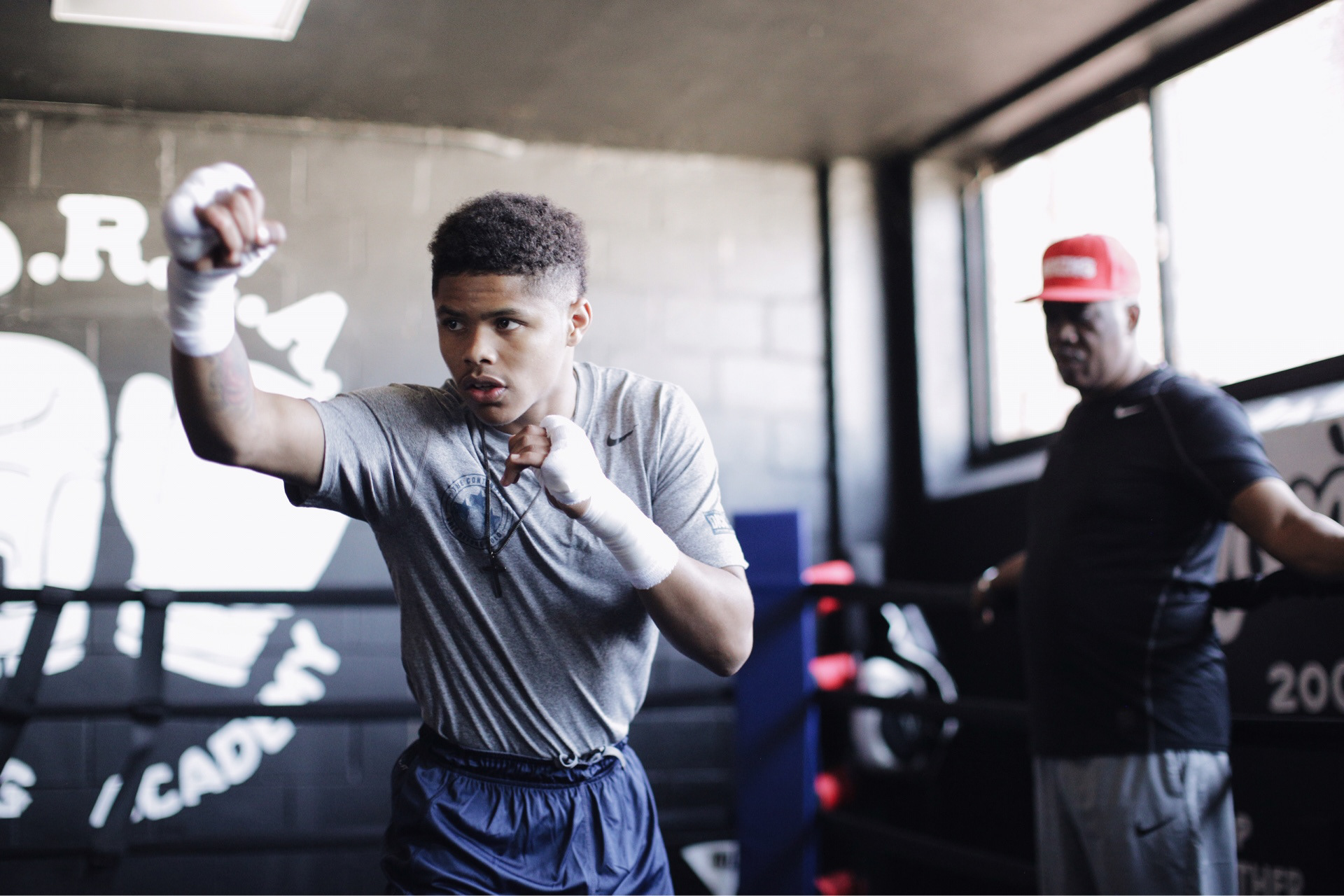
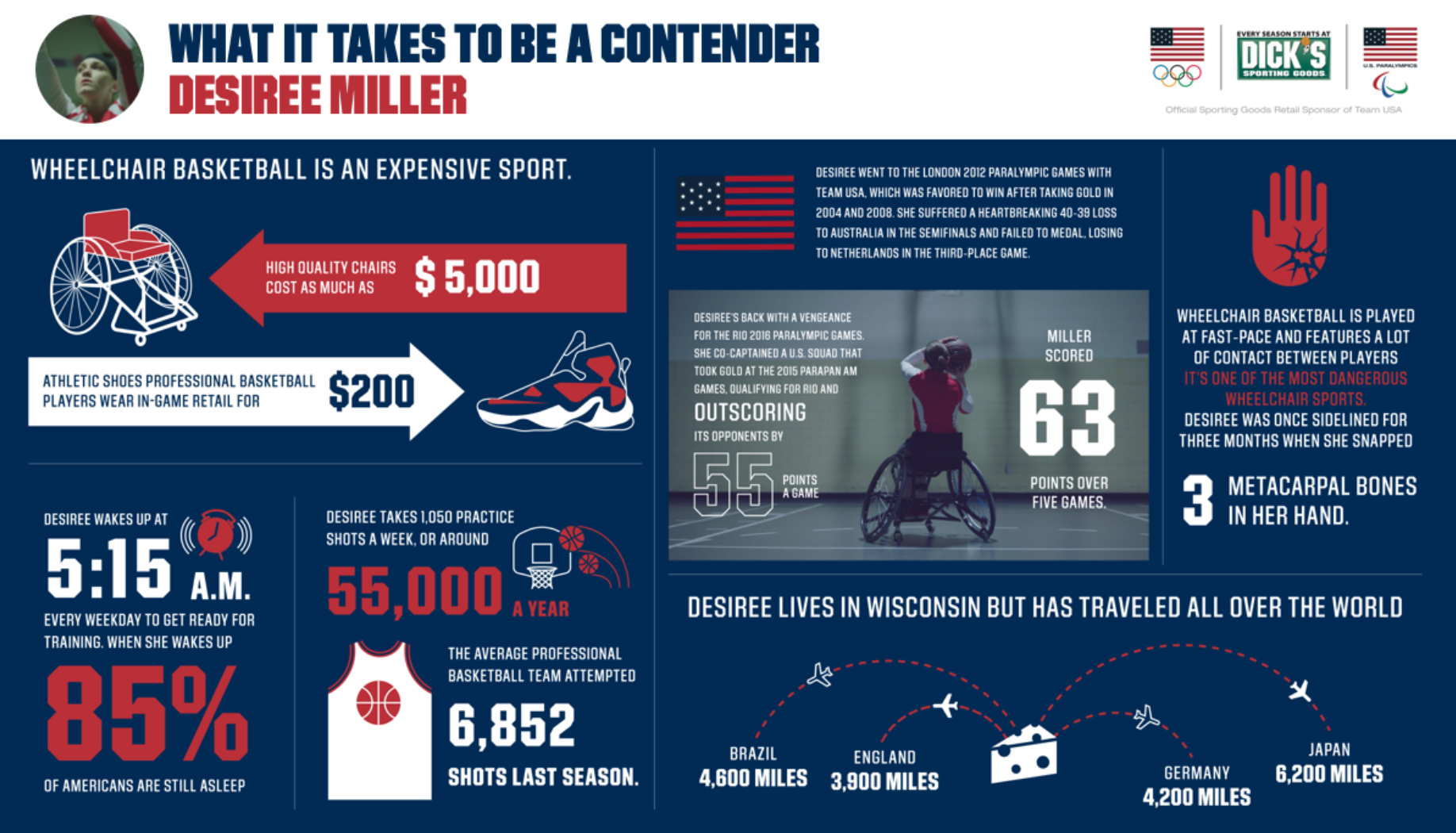
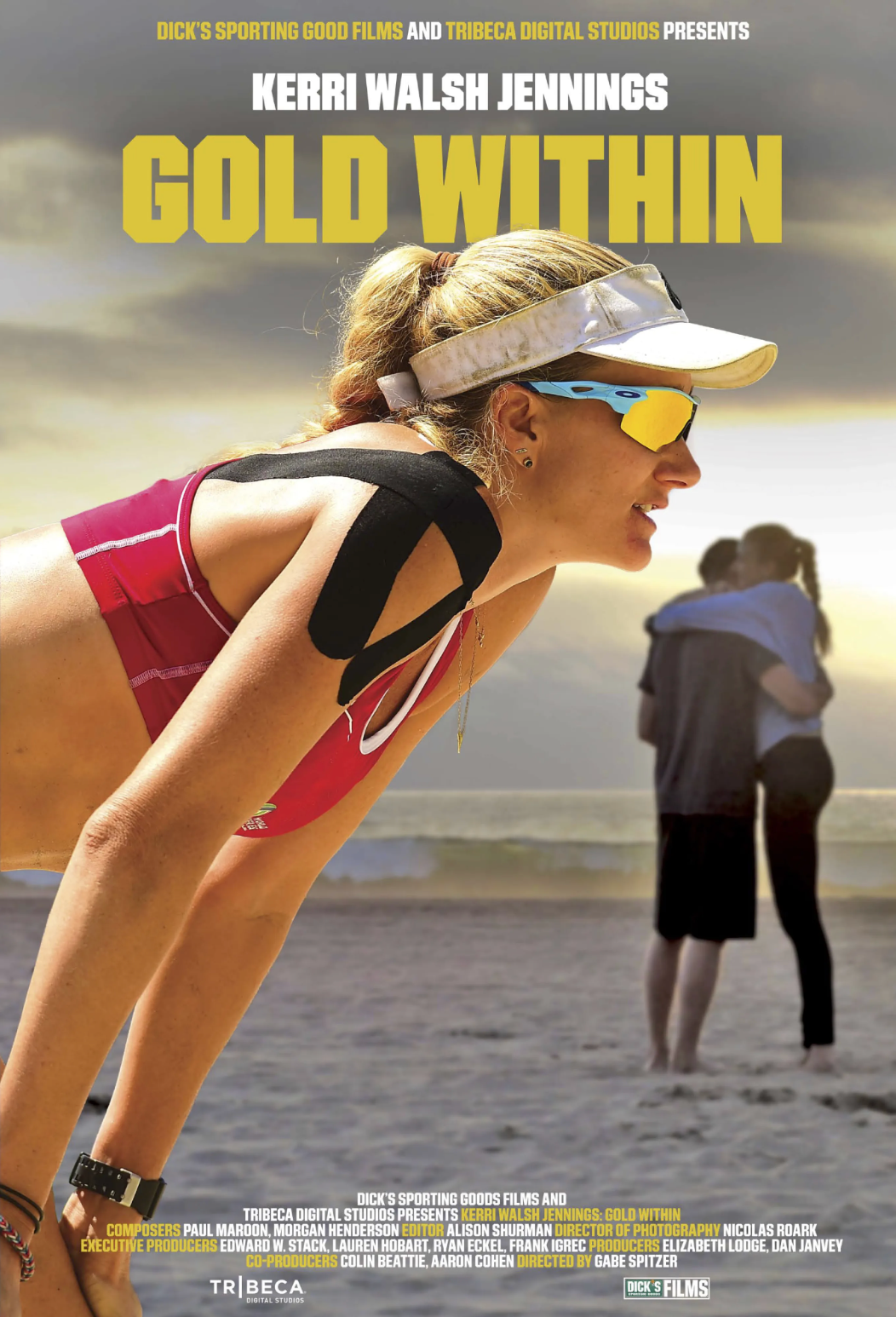
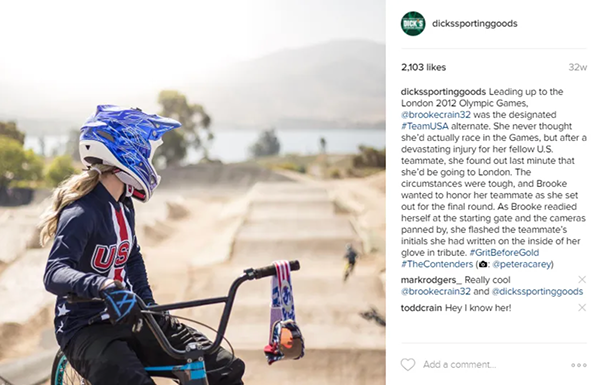
The insight underneath it: most people have no working sense of what an Olympic run actually costs. Not the money — the hours. So the campaign was built to make that legible, starting from something anyone recognises and then letting the scale of it land. Picks up a first basketball at five. Four thousand hours in the gym by twelve. Four hundred and eighty minutes from a medal at twenty-nine.
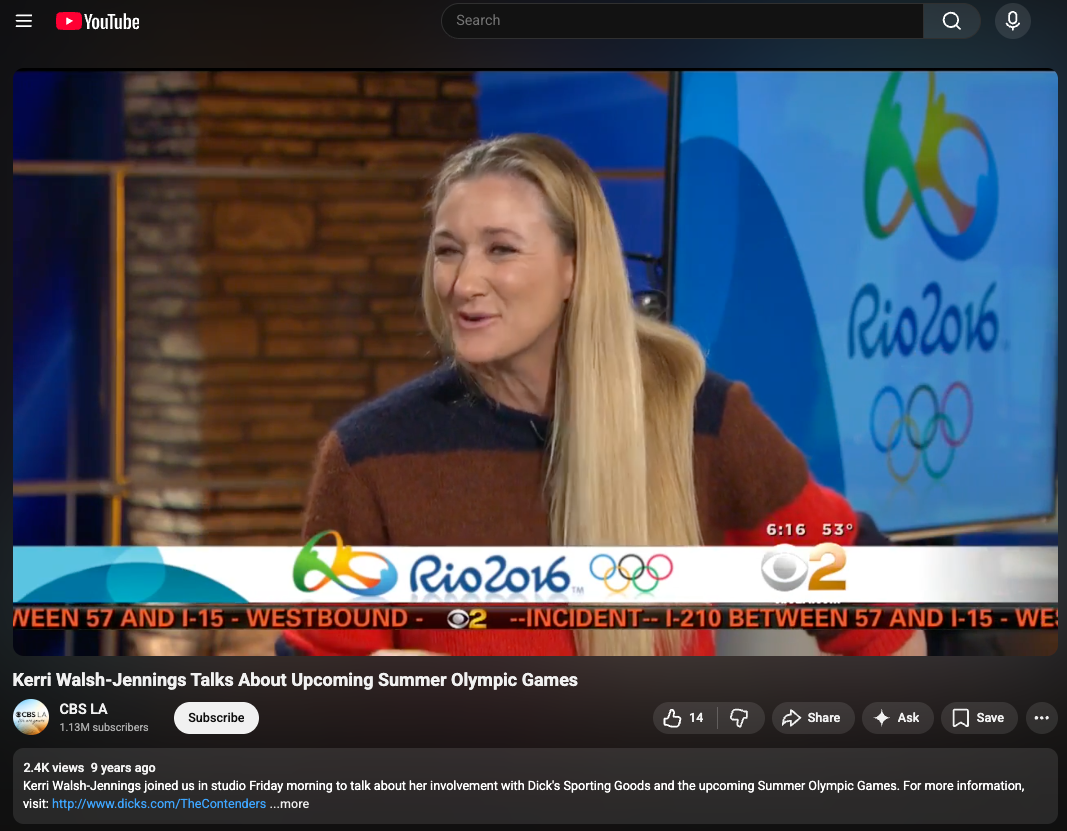
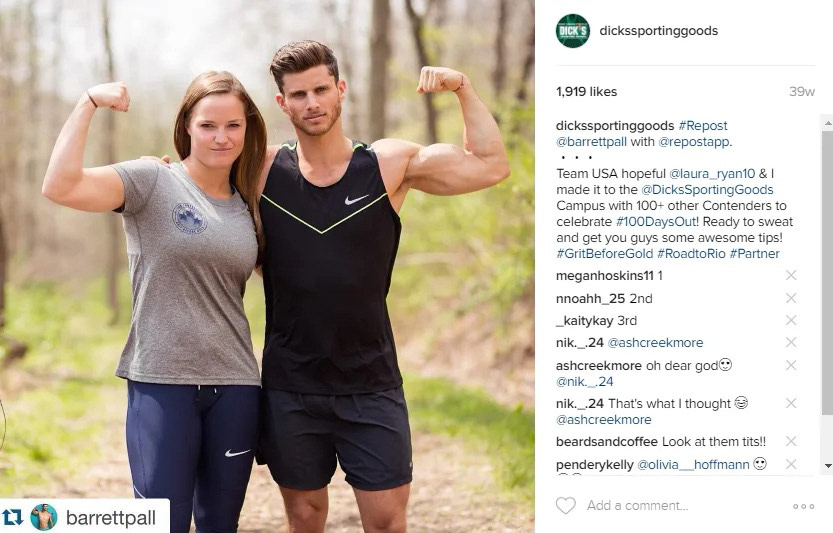
Then the part that took the most work. Two hundred athletes with their own accounts, their own audiences and their own voices cannot be handed a content calendar.
So the programme was built as a tiered activation system. Every athlete profiled with their sport, their reach per platform, and a defined set of channels they were eligible for — a smaller group carrying television and tour alongside social, the rest social only. Then copy pre-drafted for every athlete at every one of twenty-two campaign moments, roughly 250 posts in total, each written to be adapted rather than posted. "Adapt this to your own voice" was in the instruction every time, because the entire value of an athlete's account is that it sounds like them.
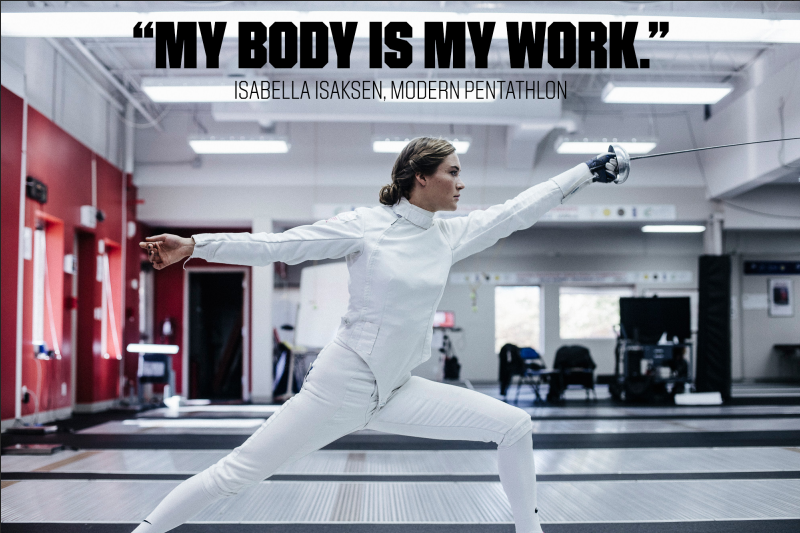
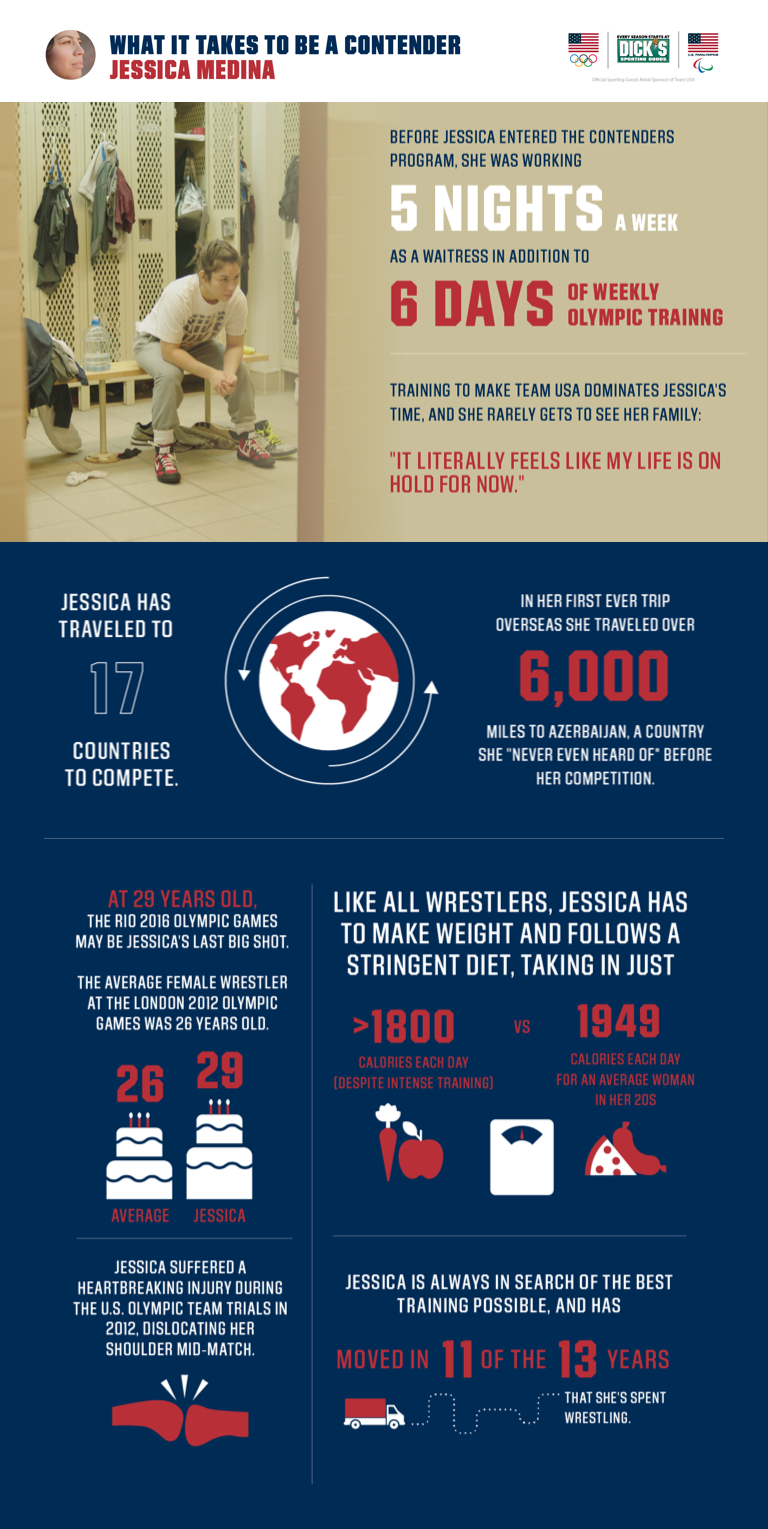
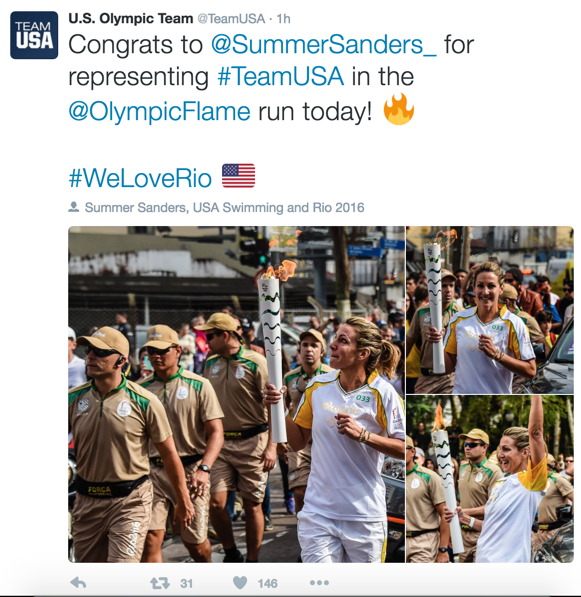
Alongside it, a paired influencer layer built on fit rather than reach — a boxer matched to a strength athlete, a diver matched to a precision-sport creator — with the rationale written down for each pair, and copy prepared for four audiences at every beat: the influencer, the athlete, the brand, and forty thousand store employees.
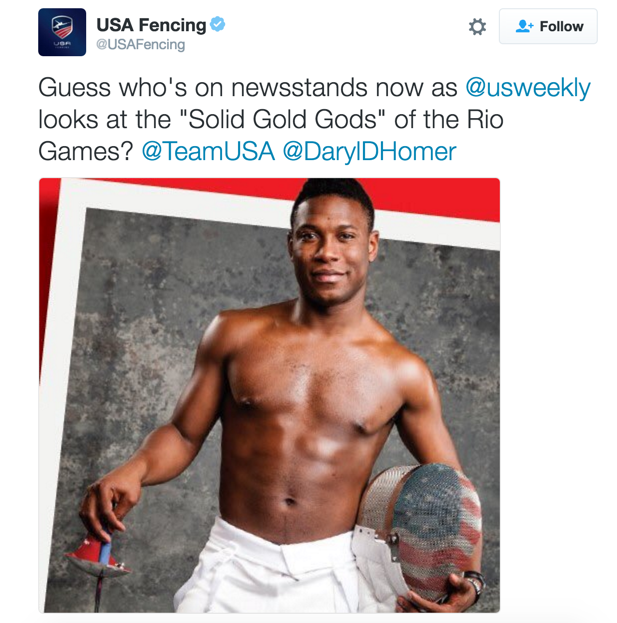
And the unglamorous part that mattered most: two relationship types meant two disclosure standards. Contracted athletes carried #partner and #ad. Store-employed athletes carried #associate and #employee. In 2016, most brands weren't thinking about that at all.
I held the budgets for the influencer partnerships and their deliverables, the athlete shoots, and the contributors who built the infographics — a statistician and a writer. Most of that money went to paying people for a specific skill, which is usually what a content budget actually is.
There was also a film. Properly made, ninety seconds, the kind of thing a brand spends most of its production budget on. And then a media plan that needed impressions — which meant social, and social does not want a ninety-second film.
This is a pattern I have now seen at almost every brand. The expensive asset gets commissioned first and the distribution problem gets discovered second, usually by someone else. So I cut it down: ten and fifteen second versions built to work in a feed rather than in front of an audience, and a recommendation to the client's media team on what to run where.
That work is invisible and it delivers most of a campaign's impressions. The expensive asset gets the credit; the cheap ones do the volume.
A decade later there is a word for this and an industry around it, and tools that do a version of it automatically. The tools are better. The judgment is the same — knowing which six seconds carry the idea, and which opening frame makes someone stop.
Seven Contenders medalled in Rio — one gold, four silver, two bronze. Claressa Shields took gold in boxing. Danell Leyva took silver twice in a single Games.
On the day of the opening ceremony, a Promoted Trend delivered 54 million impressions at a 0.9% engagement rate — 67% above the platform's retail benchmark for the quarter. The top-performing post reached 2.28% engagement, four and a half times the benchmark. Positive sentiment rose 131% against the rolling average, and site visits on the day ran roughly forty times the seven-day average.
The platform's own read on why: the posts that worked carried less brand overlay and more athlete.
Seven-month campaign across 36 sports and 31 states. A campaign that delivered 450M+ impressions. Clio Bronze ×2 — Sports Product/Service & Integrated Campaign (2017). Pro Award Bronze — The Contenders (2017).